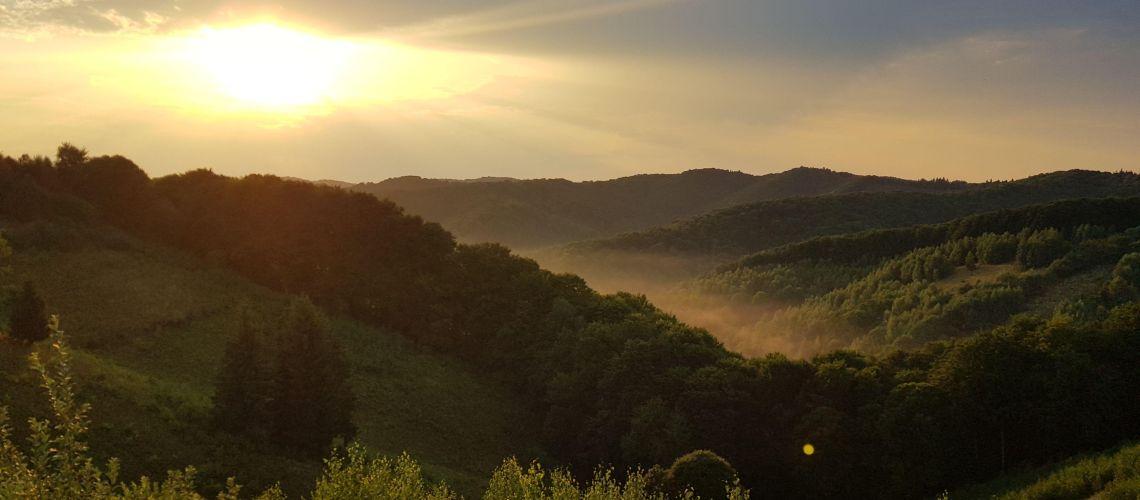
Planning a trip to Romania and not sure how to spend your time? You’re not alone.
Romania is one of Europe’s most underrated destinations, packed with medieval castles, dramatic mountain roads, traditional villages where time seems to stand still, and a food culture that rivals anything in the Mediterranean.
But it’s also a big country with tricky logistics, and most travel guides or bloggers either oversimplify the planning or leave out the practical details that actually matter.
Since 2017, we at Romanian Friend have helped over 10,000 travelers plan their trip, go on guided tours and experience Romania. We know how to do this and in this guide we’ve put together detailed Romania itineraries for 5, 7, and 10 days with honest advice on what’s realistic, what to skip, and how to make the most of every day.
Whether you’re looking for a quick Transylvania highlights trip, a deep cultural immersion in traditional regions such as Maramures, or a complete Romania experience that includes some hiking, wildlife watching or the Danube Delta, we have an itinerary here for you.
Every itinerary includes:
- day-by-day plans
- transport options (train, car, or guided tour)
- self-guided OR guided options for each route
- estimated costs
- local tips you’ll only get from someone who actually lives here and has criss-crossed the country many times
This will be a long - but valuable - read, so get ready! :)
Table of contents
- 1. Before You Plan Anything You Need to Know This
- 2. Realistic Travel Times Between Major Points
- 3. Which Airport Should You Fly Into?
- 4. Pick Your Itinerary and Number of Days
- 5. Let’s Be Honest: What You Won’t Have Time For
- 6. The 5-Day Romania Itinerary: Bucharest & Transylvania Highlights
- 7. The 7-Day Romania Itinerary — Route A: Transylvania and famous, nearby castles (from Bucharest)
- The 7-Day Romania Itinerary — Route B: Cluj-Napoca + Maramures (Fly into Cluj)
- Route A vs. Route B: Which Should You Choose?
- 8. The 10-Day Romania Itinerary: The Complete Experience
- Option A: Add the Danube Delta (Days 8–10)
- Option B: Add Maramures and Bucovina (Days 6–10)
- Option A vs. Option B: How to Decide
- 9. Practical Planning: The Quick-Reference Guide
- How Much Will It Cost?
- When to Go: Season by Season
- Getting Around: Car vs. Train vs. Guided Tour
- What to Pack
- Frequently Asked Questions About Visiting Romania
- 10. Want a Customized Itinerary?
1. Before You Plan Anything You Need to Know This
Romania is roughly the size of the UK or Italy. Let that sink in for a moment.
Most travelers underestimate this, and it leads to the #1 Romania travel mistake we see: trying to fit too many of the things to do in Romania and tourist sights into too few days. I get it, you look at the map, see that Bucharest, Brasov, and Sibiu seem close together, and assume you can knock them all out in a long weekend.
But our roads tell a different story...
In short, here’s the truth that no other travel guide will tell you: 100km on Google Maps can easily take 2-3h in reality. Our highways are few, and most roads are single-lane. And if you have to cross the mighty Carpathian Mountains expect scenic winding roads – but very slow.
Read our full guide on public transportation to get a better idea.
2. Realistic Travel Times Between Major Points
Before we talk about itineraries, here are the travel times you should expect. These are realistic estimates, not the optimistic ones Google maps offers:
| Route | By car | By train |
|---|---|---|
| Bucharest → Brasov | ~3 hours | 2.5–3 hours |
| Brasov → Sibiu | ~2.5 hours | 3.5 hours |
| Sibiu → Cluj-Napoca | ~2.5 hours | 4–5 hours |
| Bucharest → Danube Delta (Tulcea) | 4.5 hours | No option |
| Cluj-Napoca → Maramures (Breb) | 3.5 hours | No option |
| Bucharest → Maramures | 8+ hours | 10+ hours |
Trains work fine between big cities in Transylvania, but for anything involving the Danube Delta, Maramures, Saxon villages or in the mountains, you need either a car or a guided tour.
The good news? Romania is a great destination for slow travel, unlike many other countries in Europe.
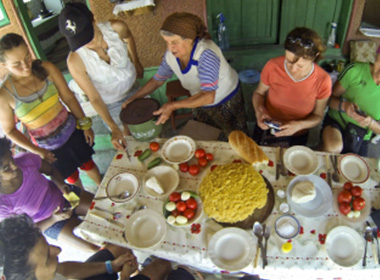
That’s why on our guided trips we include lots of small stops. We know the best moments happen when you stop rushing: a conversation with a village grandmother, an unplanned stop at a roadside viewpoint or market, a home-cooked meal that takes two hours because your host keeps bringing more authentic Romanian food.
That’s how we locals recommend you experience the “real Romania” – not the stressed-out version where you’re running between attractions.
3. Which Airport Should You Fly Into?
This is the single most important decision you’ll make for your trip, and almost nobody talks about it.
- Fly into Bucharest (OTP) if you have 5-7 days, want to see Transylvania’s highlights (castles, Brasov, Sibiu), and plan to start your trip in the capital. Bucharest is the main international hub which is serviced by many budget European airlines.
- Fly into Cluj-Napoca (CLJ) if you have 7+ days and want to explore the traditional regions of Maramures, Bucovina or northern Transylvania. Flying into Cluj saves you a full day of travel if you’d start from Bucharest. It also opens up regions that are practically unreachable on a short trip from the capital. Many airlines (Wizz Air, Ryanair, Lufthansa) fly to Cluj from all over Europe.
- The smart move for 8-10+ days: Fly into one city and out of the other. For example, arrive in Bucharest, travel north through Transylvania, end in Cluj-Napoca, and fly home from there.
Planning logistics is hard but trust us, getting this right will make or break your Romanian holiday.
Now, let’s get to the fun part: the actual itineraries.
4. Pick Your Itinerary and Number of Days
Here’s a quick overview of what’s possible depending on how many days you have (including flight days). Then follow sections that build on each other.
| 5 Days | 7 Days — Route A | 7 Days — Route B | 10 Days | |
|---|---|---|---|---|
| Best for | First-timers, short trips | Main tourist attractions, culture and hiking | Cultural deep dive, rural life, off the beaten path | Complete experience |
| Fly into | Bucharest | Bucharest | Cluj-Napoca | Bucharest |
| What you’ll see | Bucharest + Brasov + castles | Transylvania deep dive | Cluj + Maramures + Transylvania | Transylvania + Delta OR Maramures |
| Pace | Fast | Comfortable | Comfortable, slow travel days | Relaxed |
| Need a car? | No | Helpful but not essential | Yes | Yes |
| Need guided tours? | Optional | Good for day trips (and transfers between cities) | Yes | Yes |
| Est. budget | €400–700 / person | €750–1,200 / person | €550–1,000 / person | €800–1,500 / person |
Budgets are per person estimates for mid-range travel (decent hotels, eating out, some guided tours, local transport). Flights not included.
If you want the complete Romania experience with all the major tourist regions, an itinerary combining popular tourist attractions, cities with rural life in authentic Romanian villages, a bit of hiking and maybe the Danube Delta, then plan for 14 days.
Or, even better, plan two separate trips :)
- one focused on South Romania (Bucharest, Brasov, Danube Delta)
- one in North Romania (North Transylvania, Maramures, Bucovina)
5. Let’s Be Honest: What You Won’t Have Time For
Since 2017 we helped over 10,000 travelers plan their trips in Romania and the biggest mistake people make is trying to see and travel too much in too little time.
So here’s what you should NOT DO:
- In 5 days: don’t try to add Sibiu, Maramures, the Danube Delta, or the Transfagarasan road. You’ll spend more time in a car than actually experiencing Romania. Stick to Bucharest and the Brasov area, there’s more than enough to fill 5 days.
- In 7 days: You can stretch into either Sibiu + Sighisoara (Route A) or Maramures (Route B), but not both. And please don’t try to fit a “quick visit” to the Danube Delta - it’s a 5-hour drive from Bucharest per way and deserves at least 2 full days on its own.
- In 10 days: You can think of exploring two main regions (eg. Maramures and Bucovina, Transylvania and the Danube Delta) as long as you keep things realistic or plan tight using internal flights too.
- In general: Go to Transylvania, Maramures and Bucovina expecting to experience “village life” in 1 day.
- For hiking: Try to summit a peak over 2,000m altitude in one day (except for some and if you’re very experienced).
- For wildlife: Expect to see wildlife in 1 day (for proper wildlife watching you need 2-3 days to go deep in the mountains).
6. The 5-Day Romania Itinerary: Bucharest & Transylvania Highlights
This is the itinerary for travelers who don’t have a lot of time but want to get a taste of what our country offers, without trying to rush through a checklist!
After landing, I recommend you spend a full day - there lots of things to do in Bucharest anyway!
Then head North to Brasov for castles, medieval towns, mountain scenery, and (if you want) a bear watching experience. Everything here is accessible by train and local transport, so you don’t need to rent a car.
- Best time of year: April to October (but works year-round)
- Do you need a car? No. Trains and guided day trips cover everything.
- Do you need a guide? Not necessary, but a day trip can be more convenient.
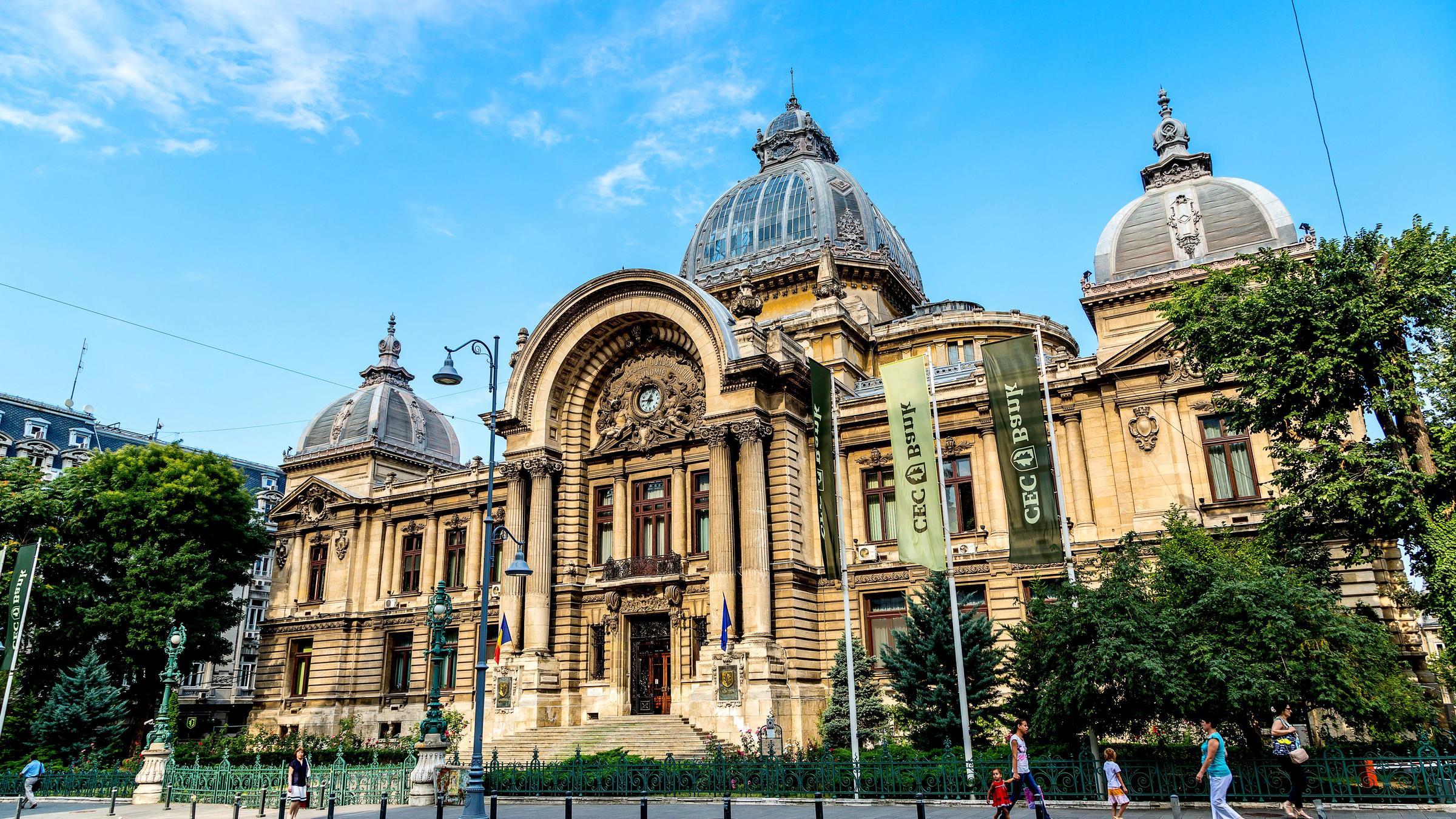
- Day 1: Bucharest — Romania’s Wild, Surprising Capital
Many travel blogs suggest skipping the capital city, but we disagree. Bucharest is a fascinating blend of historic buildings, traditional culture, and communist history.
Morning: Walk Calea Victoriei from Revolution Square to the Old Town. This 30-minute stroll showcases the city’s architectural contrast, placing 19th-century palaces alongside gray communist blocks.
Midday: Visit the Palace of Parliament, the world’s heaviest building; book tours in advance. Alternatively, visit the Village Museum in Herastrau Park to experience Romania's traditional culture through its preserved rural architecture.
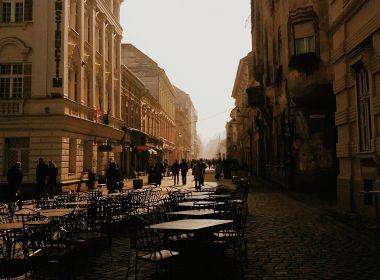
Afternoon: Explore the Lipscani area's narrow streets and hidden courtyards. This is the heart of the city's food and nightlife scene.
With a guide you'll see more in less time:besides the typical tourist walking tour or the expected communist Bucharest Tour we also created some interesting theme-focused experiences that will show you a different side of our capita; our street food tour (€67pp) is our best seller!

Bucharest Street Food Tour: Farmers' Markets & Hidden Streets
Start from: University Square
Evening: Dine in the Old Town or along Calea Victoriei. A high-quality dinner typically costs €15–25, remaining very affordable by European standards.
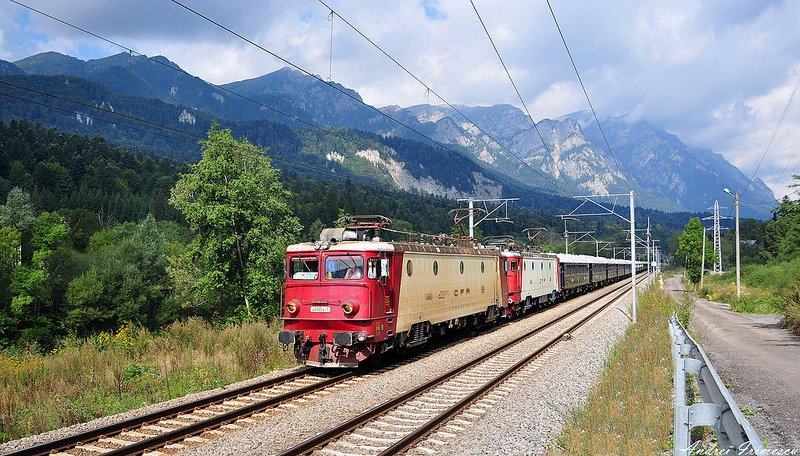
- Day 2: Bucharest → Sinaia → Brasov
Today you leave Romania's capital for Transylvania, which is even more beautiful than the legends suggest.
Morning: Take an early two-hour train from Bucharest to Sinaia to visit the breathtaking Peles Castle. This former royal summer residence is a neo-Renaissance castle featuring 160 rooms and world-class craftsmanship.
Important: Peles is closed every Monday and Tuesday all year round; you need to book tickets online for a specific time slot - mandatory!
Afternoon: Take a one-hour train to Brașov. Explore the compact Old Town, including Council Square (which is also the main square), the Gothic Black Church, and Rope Street, one of Europe's narrowest.
Evening: Enjoy dinner in the Old Town for €10–20. For an authentic taste, try sarmale (stuffed cabbage rolls) or a Transylvanian tochitură.
Practical info:
- Train Bucharest → Sinaia: ~2 hours, tickets from ~€5-8
- Train Sinaia → Brasov: ~1 hour, tickets from ~€3-5
- Buy train tickets at cfrcalatori.ro or at the station
- Leave Bucharest by 8-9 AM to have enough time for Peles Castle
- Day 3: From Brasov — Choose Your Day Trip
Today you have a choice, and honestly, both options are excellent. It depends on what you’re more interested in.
- Option A: Bran Castle + Rasnov Fortress
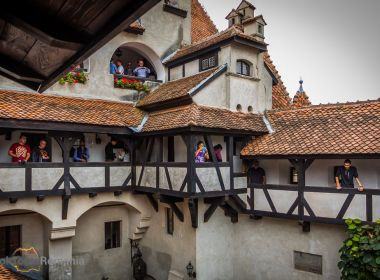
Visit the famous Bran Castle (yes, we are talking about Dracula's Castle), a 30-minute bus ride from Brașov. While famous for its marketing lore, the castle is actually an elegant medieval residence with narrow staircases and great valley views. It’s genuinely historic, even if it's less "dark" than the movies suggest.
If you didn't get the chance to visit Peles Castle yesterday, join our guided trip to see both iconic attractions in one day.
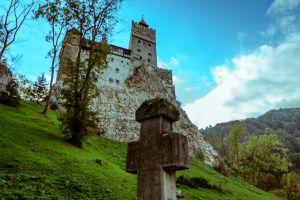
Keep in mind that Rasnov Fortress is closed for restoration works.
- Option B: Sighisoara Day Trip
For medieval charm, take the train to Sighișoara. This UNESCO World Heritage Site is one of Europe's best-preserved towns and the birthplace of Vlad the Impaler.
You can explore the entire citadel in a few hours, wandering its cobblestone streets and colorful houses that haven’t changed much in 500 years. Highlights include the 14th-century Clock Tower and the covered Scholars’ Stairs. The city wall divides the settlement into the Lower Town and the Upper Town (the Citadel). While it feels like stepping back in time, an overnight stay isn't necessary unless it fits your transit schedule.
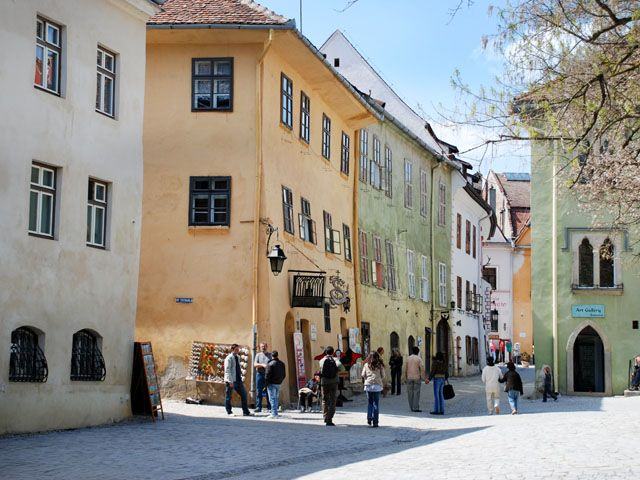
When we take tourists on a walking tour in Sighisoara, it's always a delight.
Keep in mind Sighisoara is 2.5 hours by train each way - so you’ll spend a lot of time traveling. Also, the train doesn’t stop in any of the Saxon Villages of Transylvania. So with a guided day trip you’ll cover more ground in less time.
- Day 4: Brasov Area — Adventure or Culture Day
Another choice day, and this one depends on whether you want to get active or stay cultural.
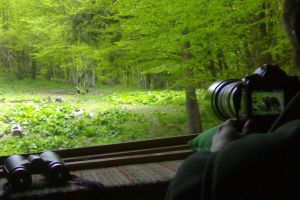
- Option A: Bear Watching (our top recommendation)
Romania has over 6,000 brown bears, the largest population in Europe, and you can see them in the wild just outside Brasov. This is consistently rated as the #1 experience by our travelers, and it’s something you simply can’t do anywhere else in Europe this easily.
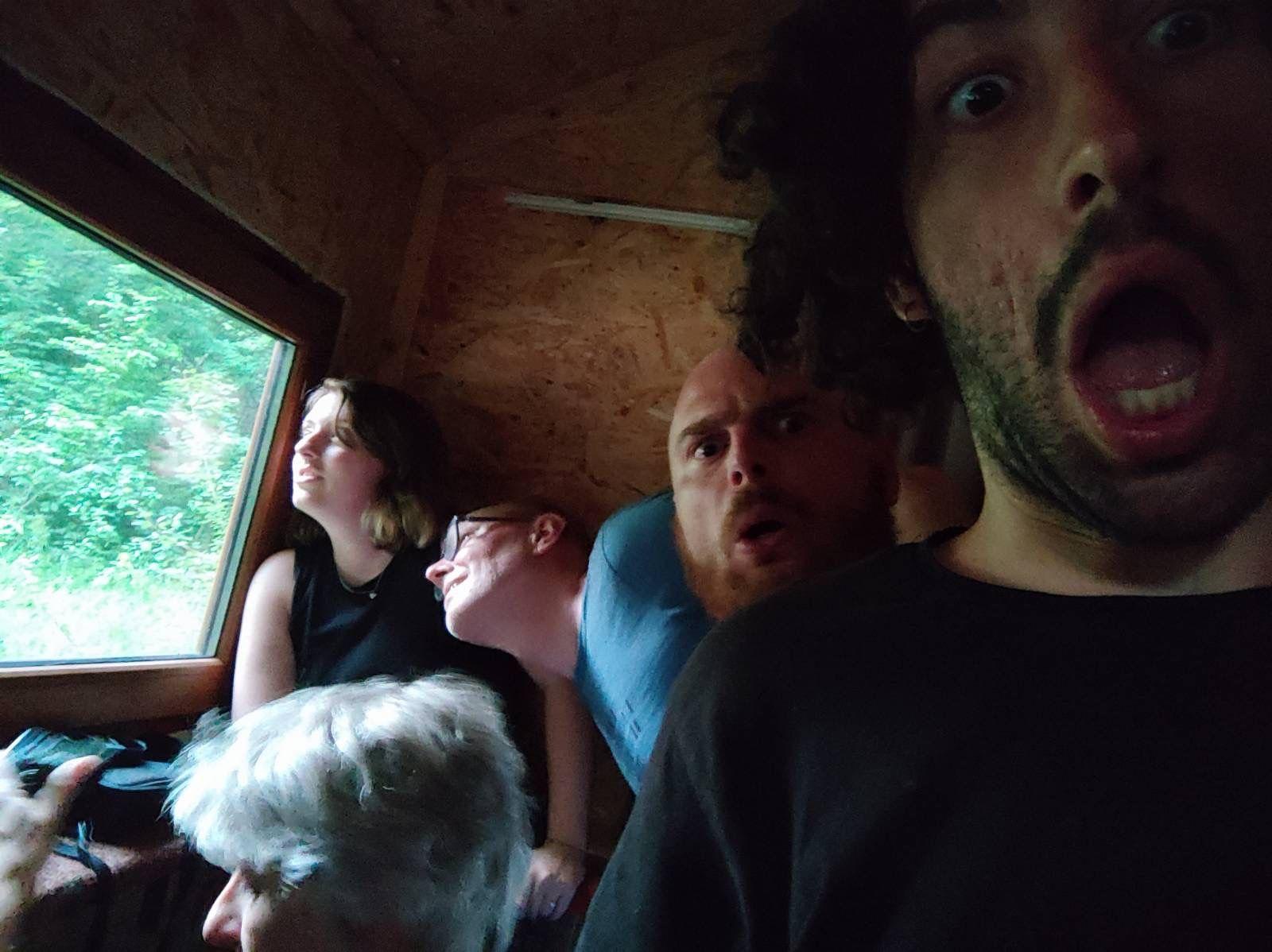
Seeing bears in their natural habitat is special. Just look at how our guests felt on our bear-watching tour.
Book in advance. Spots in the observatory are limited and they fill up fast, especially on weekends.
- Option B: Scenic Day Trip in Mountain Villages
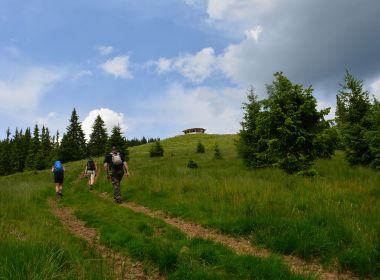
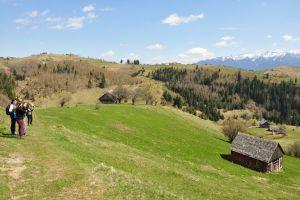
If wildlife isn’t your thing, you could spend the day hiking in the traditional mountain villages of Piatra Craiului Mountains. Magura and Pestera sit at 1,000+ meters altitude with jaw-dropping views of the limestone ridge, and life here moves at a completely different pace. The trails are easy-medium and very picturesque.
- Option C: Full Hiking in Piatra Craiului
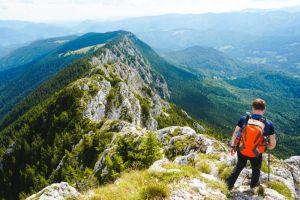
Some of the most popular day hikes in Romania are in the nearby Piatra Craiului National Park. One important note: these mountains are bear country. We strongly recommend hiking with a certified tour guide who carries bear spray and knows the trails intimately.
- Day 5: Return to Bucharest
If your flight is in the evening, you still have plenty of things to do in Brasov. A few ideas for the morning:
- Walk up to the Brasov sign on Tampa Hill to the Hollywood-like sign
- Have a slow coffee in Council Square and do some souvenir shopping
- Visit the Weavers’ Bastion, a well-preserved medieval defense tower with a good museum inside
Afternoon: Take the train back to Bucharest (~2.5 - 3 hours) and from there to the airport. Or get a shuttle transfer from Brasov straight to the airport.
Local tip:During weekends, especially in the summer season, the roads to/from Brasov get very busy sometimes to a stalemate. Trains get filled up too. So instead of the usual 3h you could end up doing 4-5h. Train tickets can also sell out.
7. The 7-Day Romania Itinerary — Route A: Transylvania and famous, nearby castles (from Bucharest)
This is the itinerary we recommend most. Seven days gives you enough time to see Transylvania properly, not just the famous castles, but the medieval Saxon towns, the fortified churches, the mountain roads, and the quieter places that most tourists miss.
- Best time of year: April to October. June to October if you want the Transfagarasan road option.
- Do you need a car? Helpful from Day 4 onwards, but still doable with trains + guided day trips.
- Days 1–3: Bucharest, Sinaia, and Brasov
Follow the first three days of the 5-day itinerary above: Bucharest on Day 1, Sinaia + Brasov on Day 2, Bran Castle + Rasnov on Day 3.
For the 7-day version, skip the Day 3 day trip to Sighisoara, you’ll visit it properly on Day 5 anyway. Instead, use Day 3 for Bran and Peles Castles to avoid a redundant 5-hour round-trip train ride.
- Day 4: Bear Watching + farewell to Brasov
Morning: Catch up on Brasov highlights. Ride the Tampa Mountain cable car, explore the Schei neighborhood, or visit the nearby Libearty Bear Sanctuary in Zarnesti.
Afternoon/Evening: Bear watching experience starting at 3-4 PM. You’ll be back in Brasov by 7-8 PM for a final dinner in the Old Town.
- Day 5: Brasov → Sighisoara → Sibiu (The Big Travel Day)
Let’s be upfront: this is the longest travel day on the itinerary. But it’s also one of the most rewarding because you’ll cross through the heart of Saxon Transylvania.
By car (recommended): Brasov → Sighisoara is about 2 hours. Spend 2-3 hours in Sighisoara, then drive another 1.5 hours to Sibiu. Total driving time: ~3.5 hours, plus your time in Sighisoara.
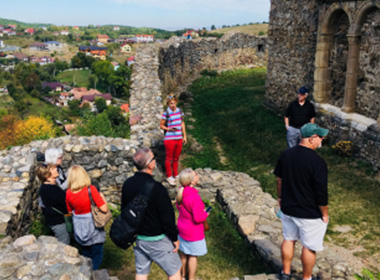
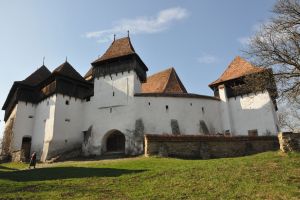
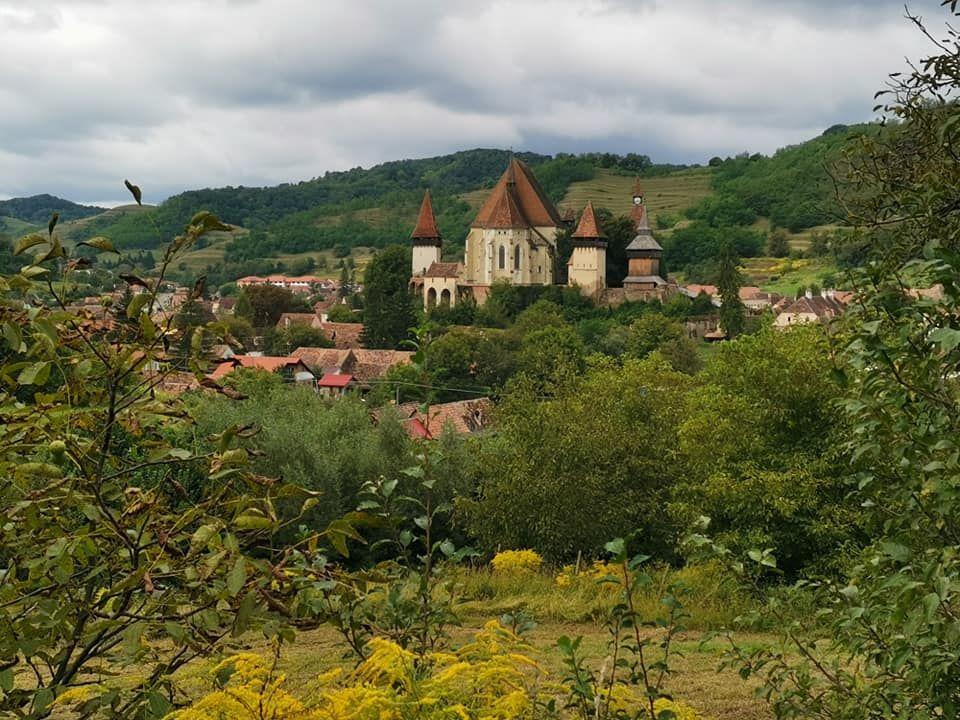
Driving lets you visit the famous Saxon Villages with Fortified Churches like Viscri, Saschiz, and Biertan, which are inaccessible by public transport. These unique sites, each with its impressive fortified church and pastel houses, are essential detours along this route.
By train: It’s possible but less ideal. Brasov → Sighisoara takes about 2.5 hours. Then Sighisoara → Sibiu is another 2.5 hours, sometimes with a connection. You can do it, but it eats most of your day and you’ll miss the villages.
Bun on a 3-day fully guided trip, all this becomes much easier - and you'll also get context for what you're visiting!
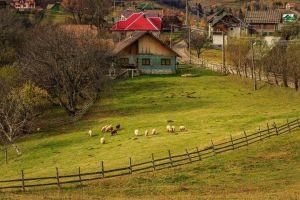
3-Day BEST of Transylvania Tour: Brasov, Sighisoara, Bran & Viscri
Start from: Bucharest
- Day 6: Sibiu + Day Trip (Transfagarasan OR Corvin Castle)
Sibiu deserves a full day (after all it was the 2007 European Capital of Culture). But since you have two nights here, we recommend splitting it: half a day exploring the city, half a day on a day trip.
Morning: explore the city. Sibiu rivals Prague or Bruges but without the crowds. Explore the Large Square, the Small Square, and Huet Square, cross the legendary Bridge of Lies, and spot the "eyes" on the city's rooftops. If time permits, allow 2–3 hours for the massive ASTRA Open Air Museum on the outskirts.
- Option A: Transfagarasan Road (June–October only)
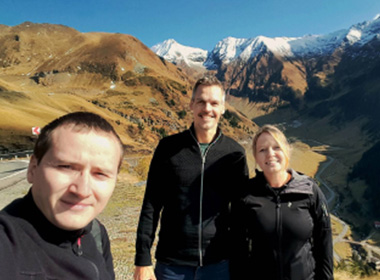
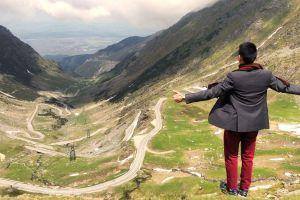
Drive the legendary Transfagarasan, Top Gear’s "best road in the world," featuring hairpin turns and 2,042-meter peaks. Open mid-June to late October, it offers stunning glacial lakes and waterfalls. If closed, drive from Sibiu to the Balea Lake cable car for equally spectacular views.
- Option B: Corvin Castle Day Trip
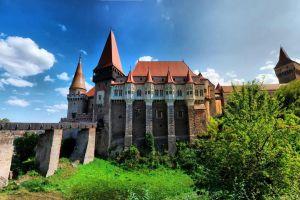
If the Transfagarasan is closed or you prefer castles, Corvin Castle (2 hours from Sibiu) is Romania’s most impressive. It lacks the Dracula fame of Bran but offers a far more authentic "fantasy movie" aesthetic. It's the one castle we recommend above all others.
- Day 7: Sibiu → Bucharest (or Departure)
By car: 3.5–4 hours through the scenic Olt Valley.
By train: ~5.5 hours. Book first class (barely costs more).
Flying out of Sibiu? Sibiu has its own airport with Wizz Air flights to several European cities. Check if there’s a direct flight to your destination before automatically booking a return to Bucharest.
Extra options:
- Add 1-2 days: continue North to Cluj-Napoca by bus, and then fly back to Bucharest
- Explore Marginimea Sibiului: the traditional villages around Sibiu are popular for their well-preserved rural culture and Saxon traditions
The 7-Day Romania Itinerary — Route B: Cluj-Napoca + Maramures (Fly into Cluj)
This is the itinerary no other guide offers, and the one closest to our hearts. It takes you into the rural Romanian culture we, as locals, are most proud of. A world most tourists never see.
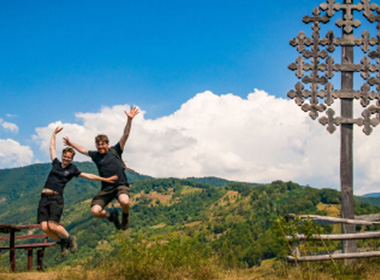
In Maramures, traditions aren't in museums; they’re just how people live. With hand-carved wooden gates, churches built without nails, and horse-drawn carts used for actual transport, it is the closest thing to time travel left in Europe, and it’s slowly disappearing.
Our local tip:this itinerary requires either a rental car or a guided tour. There’s no practical way to explore Maramures by public transport. If that’s a dealbreaker, Route A is the better choice for you.
- Starting point: Cluj-Napoca (fly there from Bucharest)
- Best time of year: April to October.
- Do you need a car? Yes, but a better option is a guided tour. Non-negotiable for Maramures, no one speaks English, and this is the best place to experience authentic Romanian culture.
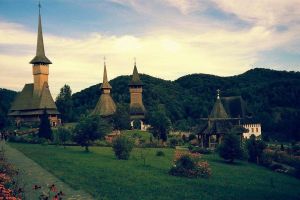
2 or 3 Days in Maramures: Wooden Churches, Traditions & Village Life
Start from: Cluj-Napoca
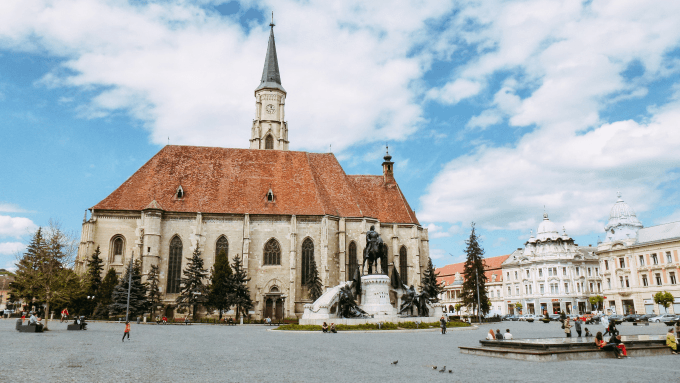
- Day 1: Cluj-Napoca — Transylvania’s Coolest City
Walk through the Old Town toward Union Square, dominated by the towering St. Michael’s Church. From here, just wander, the center is small enough to explore on foot in a few hours. You’ll find plenty to see, alongside some of the best restaurants and coffee shops in Romania.

Cluj-Napoca Food Tour: Food Markets, Regional Dishes and Coffee Culture
Start from: Cluj-Napoca
- Day 2: Turda Salt Mine + Alba Iulia
Morning: Drive to Turda Salt Mine, one of Romania’s most jaw-dropping sights. This former salt mine is now an underground amusement park 120 meters deep, featuring a Ferris wheel, boating lake, and bowling alleys inside a massive cavern. Budget 1.5–2 hours and about €10 for entry.
Afternoon: Drive south to Alba Iulia, home to the Alba Carolina Citadel. This star-shaped Vauban fortress is one of Europe’s best-preserved and the site where Romania’s unification was declared in 1918. The grounds are free to enter, beautifully maintained, and almost eerily uncrowded.
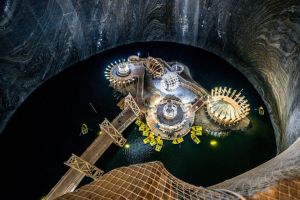
Cluj Top Attractions: Turda Salt Mine, Alba Iulia Citadel & Rimetea Village
Start from: Cluj-Napoca (pick-up)
- Day 3: Cluj-Napoca → Maramures
The drive from Cluj to Maramures takes about 3.5 hours. You’ll know you’ve arrived when you see the first ornately carved wooden gates.
Base yourself in Breb, Budesti, or Barsana. Once you arrive, spend the afternoon settling in and walking through the village. No agenda, no "must-see" attractions. Just walk, look, and breathe.
Local tip: There’s few ATMs and card payments are rare here. Cash is king in Maramures, so bring more than enough.
- Day 4: Full Day Exploring Maramures
Read our Maramures guide to explore your options. Most visitors hit the Merry Cemetery in Sapanta, the Sighetu Marmatiei Memorial, and the UNESCO Wooden Churches, the few truly tourist-friendly sights in a region that remains deeply local.
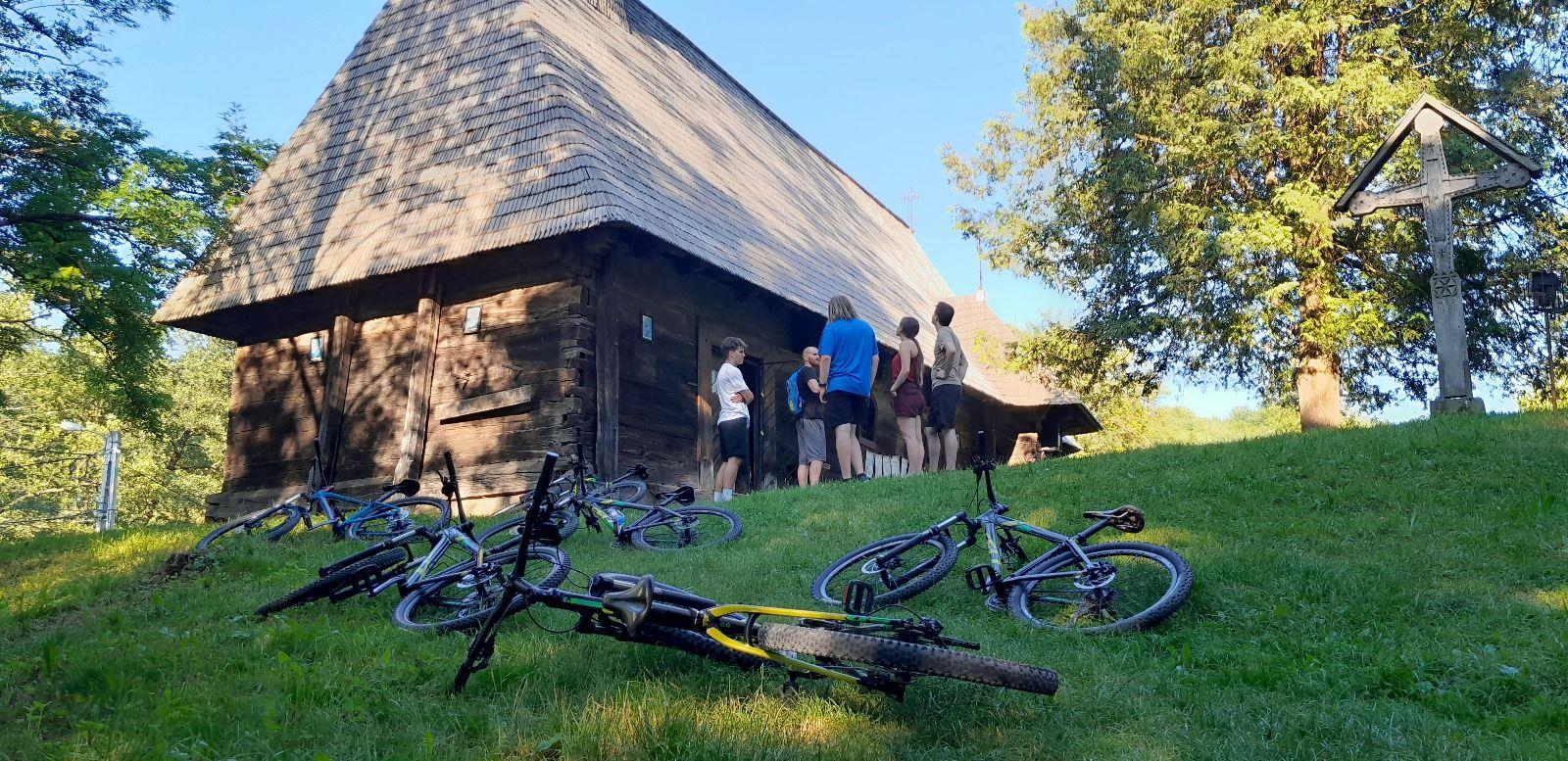
We love taking our tourists on biking tours to discover Maramures as it should be seen: in a relaxing, slow-paced way.
Maramures is a place you absorb through slow travel but most visitors end up roaming around aimlessly lost in translation... That's why having a local guide makes an enormous difference here.
- Day 5: Maramures → Sighisoara
Time to head south back into Transylvania. It’s a long driving day, about 5 hours, but this stretch across the Transylvanian Plateau is exactly what a Romanian road trip itinerary is all about. Put on some music, stop for roadside cheese and honey, and just enjoy it.
Arrive in Sighisoara and check into a hotel inside the citadel walls. Walk the citadel during the golden hour and have dinner at Casa Vlad Dracul. At dusk, without the day-trip crowds, this is one of the most atmospheric places in Romania.
- Day 6: Sighisoara + Saxon Villages → Sibiu
Morning: Finish exploring the Sighisoara citadel; two or three hours is plenty.
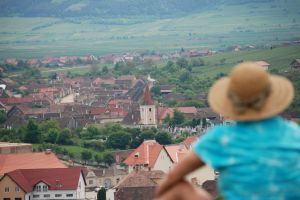
Midday: Drive south toward Sibiu (1.5 hours), detouring through the Saxon fortified villages:
- Biertan: A UNESCO-listed masterpiece with a massive triple-walled defense system.
- Viscri: The village King Charles fell in love with, where he restored a house.
- Saschiz: Another UNESCO World Heritage Site with a ruined hilltop fortress.
You won’t have time for all three. Pick one or two (Viscri + Biertan is the classic choice).
Afternoon: Arrive in Sibiu. Walk the Old Town and head to the Large Square at sunset. It’s one of the best places in Romania to grab a drink and watch the world go by.
- Day 7: Sibiu → Cluj-Napoca (or Departure)
By car: About 2.5 hours. Leave after a relaxed breakfast and you’ll be at Cluj airport by midday.
By train: About 4-5 hours. Works if your flight is in the evening.
Flying out of Sibiu? Check Wizz Air flights from Sibiu airport. It could save you the 2.5 hour drive back to Cluj.
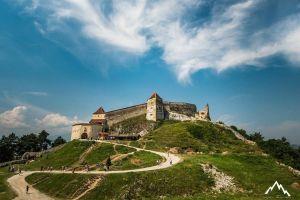
Route A vs. Route B: Which Should You Choose?
Choose Route A if it’s your first visit and you want famous castles, medieval towns, and established tourist infrastructure without renting a car.
Choose Route B if you value authenticity over fame, want to see what most tourists miss, and are comfortable driving. This is for those who value cultural depth over Instagram-famous sights.
Or, hear us out, do both. Route A this trip, Route B next. The travelers who fall hardest for Romania are always the ones who come back for what they missed.
If all this sounds like too much hassle and planning, then we prepared an itinerary that will take away the stress so you can enjoy your holiday.
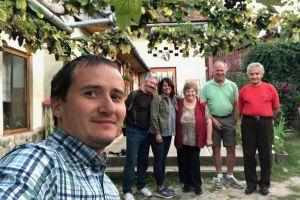
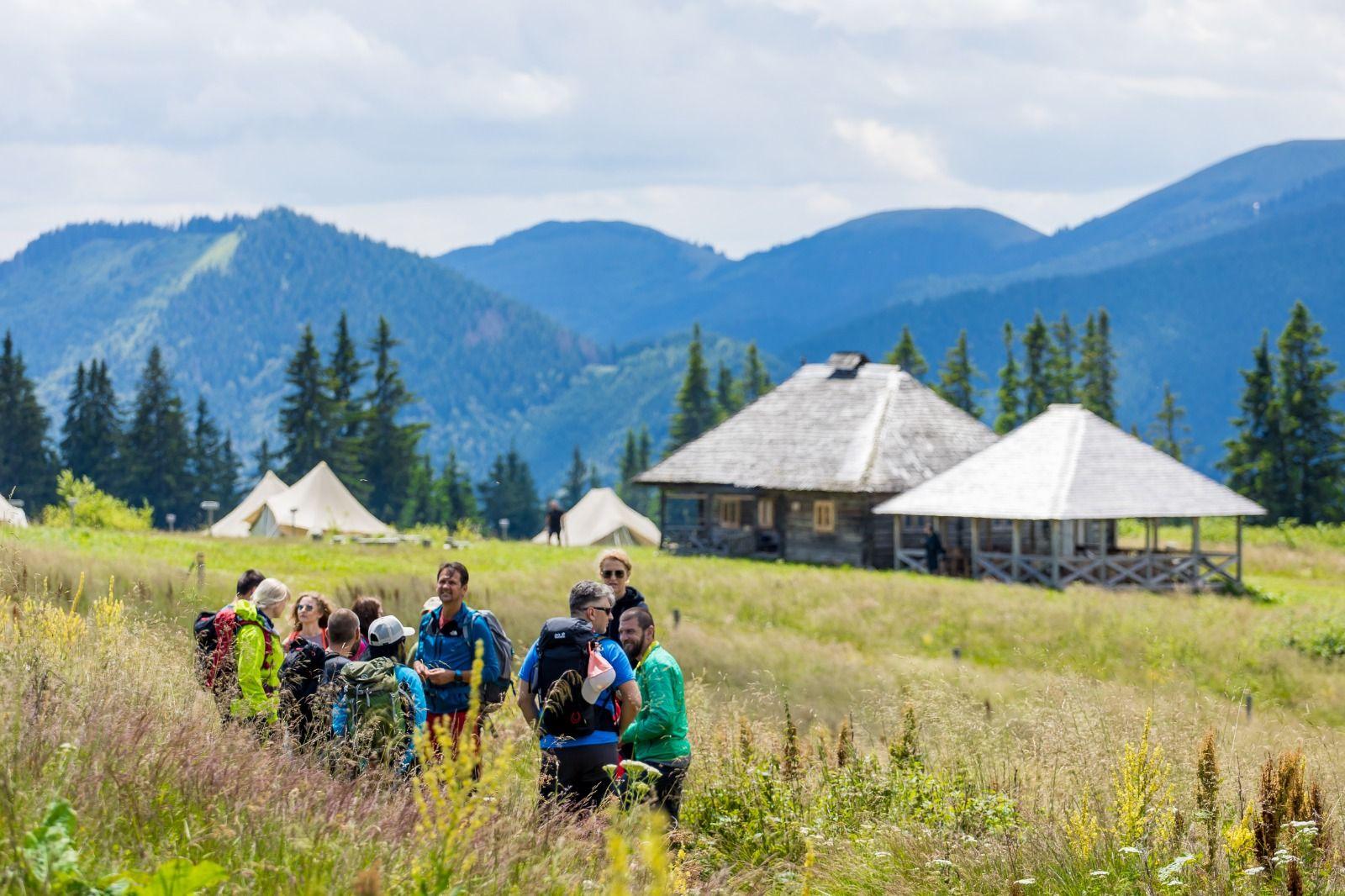
8. The 10-Day Romania Itinerary: The Complete Experience
Ten days. Now we’re talking.
With 10 days you can finally stop making painful trade-offs and actually see Romania the way it deserves to be seen. You can do almost everything: sightseeing, hiking, wildlife watching and even a visit to a popular Romanian SPA resort.
The structure is simple: Days 1-7 follow the Route A itinerary (Bucharest → Brasov → Sighisoara → Sibiu). Then you choose your extension:
Option A: Danube Delta - for nature lovers, birdwatchers, and anyone who wants a complete change of scenery after a week of castles and medieval towns.
Option B: Maramures and Bucovina - for culture seekers who want to experience Romania’s most traditional region
- Starting point: Bucharest
- Ending point: Bucharest (Option A) or Cluj-Napoca (Option B)
- Best time of year: May to September for either option.
- Do you need a car? For Days 1-7, helpful but not required. For Option A, no — you’ll go by boat. For Option B, yes.
- Do you need a guide? Yes, day trips can be useful to get around cities, and also for deep-dives into specific regions. Or if you want to explore the famous Via Transilvanica or see wildlife
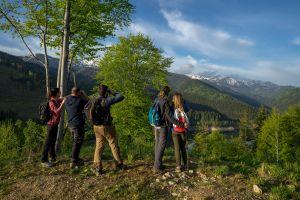
3-day Hiking & Wildlife Trip in the Wild Carpathians
Start from: Rucar village, Arges county
- Days 1–7: Transylvania Deep Dive
Follow the full 7-Day Route A itinerary: Bucharest → Sinaia → Brasov (3 nights) → Sighisoara → Sibiu (2 nights). On Day 7, return to Bucharest from Sibiu.
Option A: Add the Danube Delta (Days 8–10)
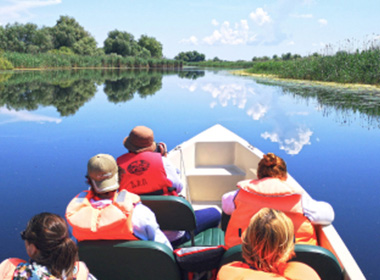
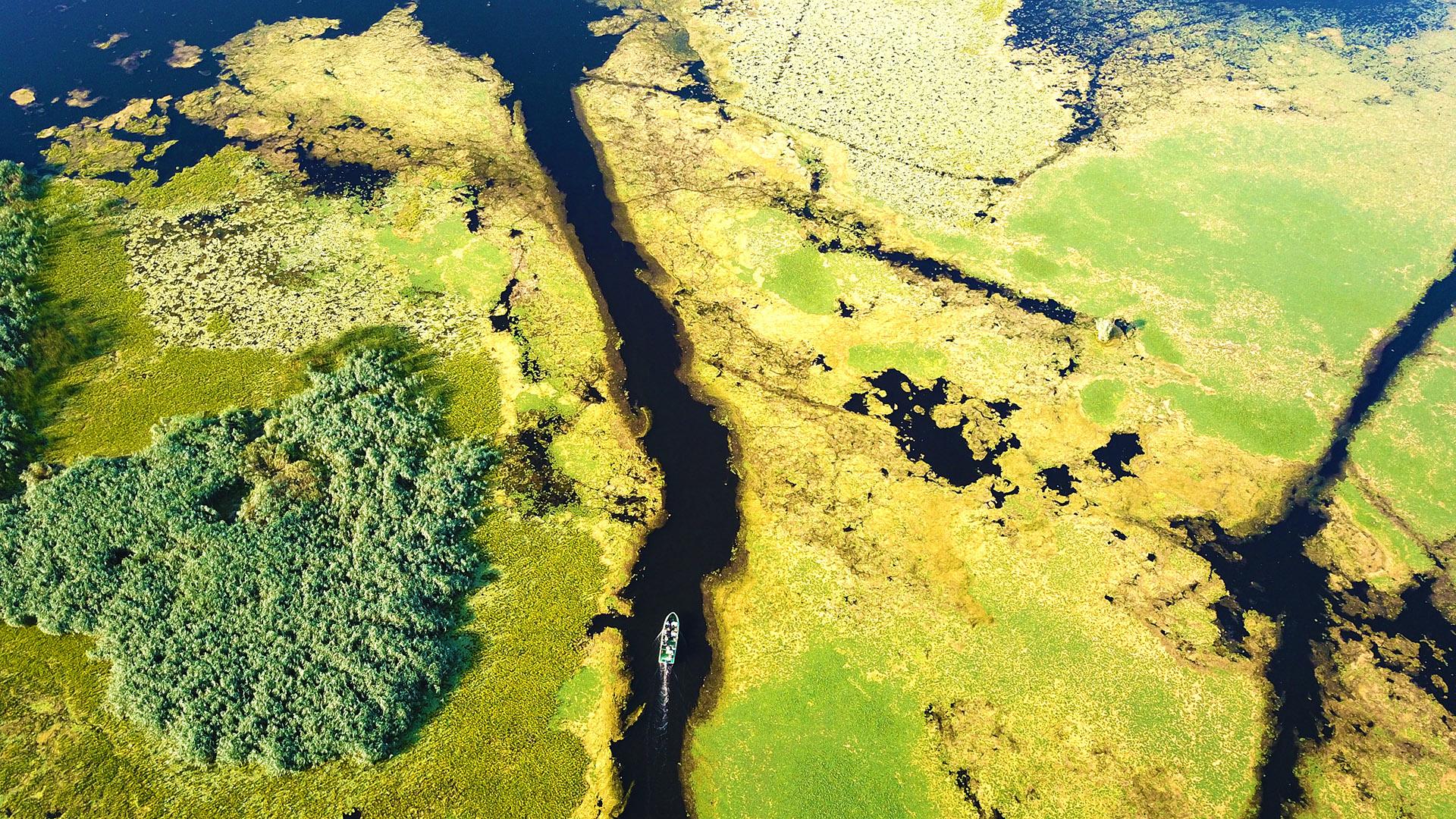
The Danube Delta is unlike anything else in Europe. A flat, watery world of channels, reed beds, and pelicans. As a UNESCO Biosphere Reserve and one of the best-preserved wetlands on Earth, it’s home to over 300 bird species.
Logistically, the Delta isn't a quick add-on. It’s 5 hours east of Bucharest, and since there are no roads inside, everything happens by boat. You need at least two full days to make the trip worthwhile, which is why it only belongs on longer itineraries.
There are lots of guides (actually just boat drivers) in the Delta, but few are authorised and know where to take you to also see birds.
- Day 8: Bucharest → Tulcea → Delta
Leave Bucharest by 8 AM for the 5-hour drive to Tulcea. In the afternoon, board a boat and enter the Danube Delta. The roads and noise disappear, replaced by water, sky, and reeds.
You’ll likely stay in a family-run guesthouse, simple, clean, and serving home-cooked fish caught that same morning. For dinner, try the signature fish soup (ciorbă de pește); every local family has their own secret recipe.
- Day 9: Full Day in the Danube Delta
Spend a full day on the water exploring the Delta’s channels, lakes, and wildlife. Depending on the season, highlights include:
- Pelican colonies: Europe’s largest white pelican population.
- Letea Forest: Romania’s oldest reservation, where wild horses roam.
- Narrow channels: Willow-lined "green tunnels" and water lilies.
- Fishing villages: Remote settlements where life revolves entirely around the river.
Just remember: the Delta isn’t a theme park. There is no guaranteed "big moment." What is guaranteed is silence, space, and the feeling of being somewhere genuinely wild.
- Day 10: Delta → Bucharest
One last morning boat ride or village walk before the journey back. Midday, take the boat to Tulcea and drive or bus five hours to Bucharest.
Variation: If you have an extra day, stop in Constanta. Romania’s Black Sea coast has a surprisingly rich ancient history that most visitors overlook.
Option B: Add Maramures and Bucovina (Days 6–10)
On Day 4 or 5, travel from Brasov to Cluj-Napoca (5 hours), stopping in Sighisoara or Sibiu for lunch. Spend one night in Cluj before heading north into the traditional regions.
Since you’ll fly home from Cluj on Day 10, book an open-jaw flight: arrive in Bucharest and depart from Cluj.
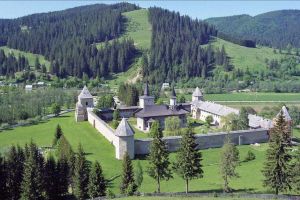
- Day 8: Sibiu → Maramures (via Cluj-Napoca)
After breakfast, leave Sibiu for the 2.5-hour drive to Cluj-Napoca. Stop there for lunch and a quick walk through the city center.
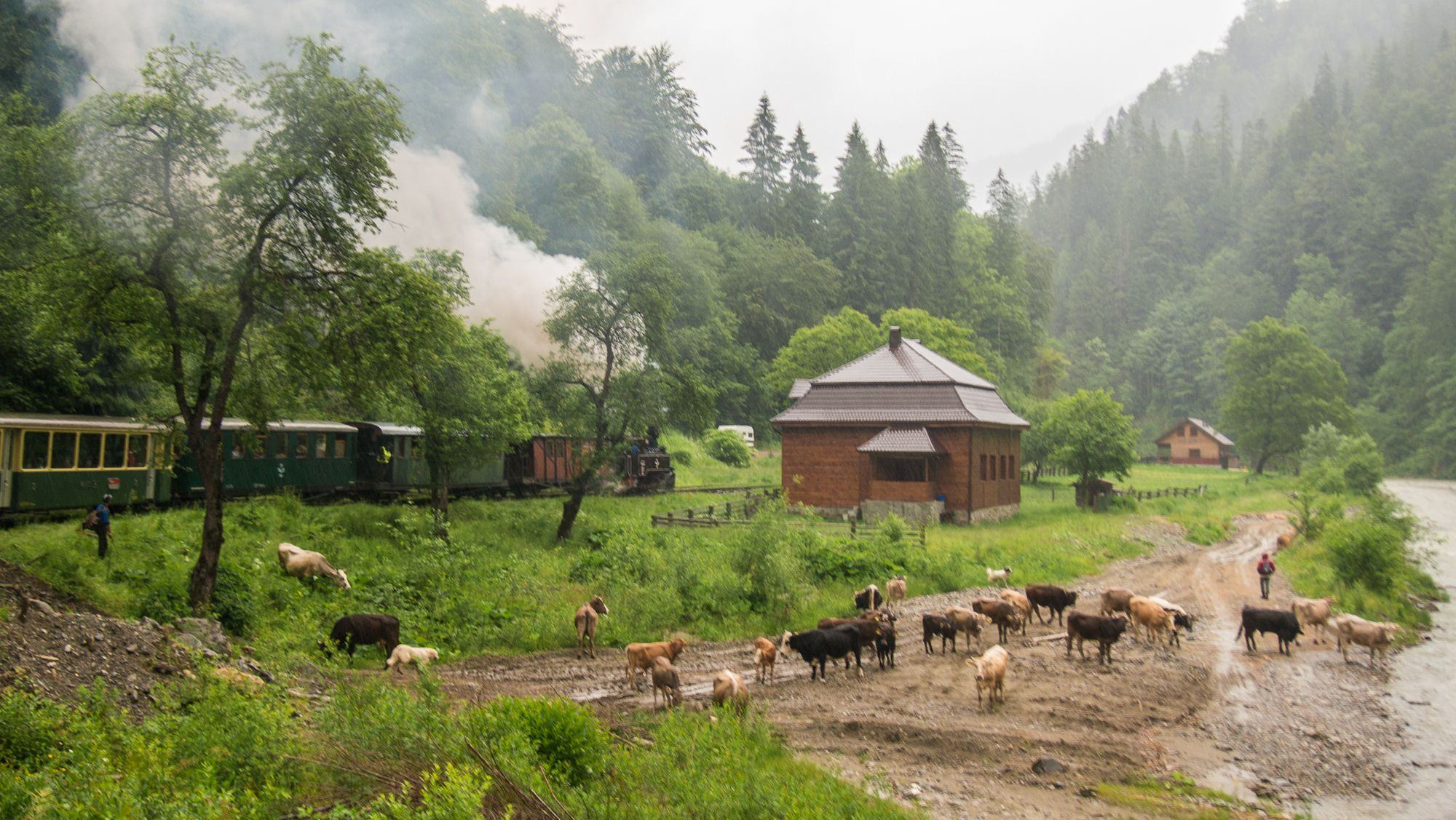
In the afternoon, continue north from Cluj into Maramures (3.5 hours) and check into your guesthouse. Expect a home-cooked dinner, a glass of pălincă, and total silence outside your window.
- Day 9: Full Day in Maramures
Follow the Maramures highlights: the Merry Cemetery, Sighetu Memorial, and UNESCO Wooden Churches. After a week of cities and castles, this quiet, deeply rooted corner feels like arriving at something true, often becoming the emotional highlight of the entire trip.
- Day 10: Maramures → Cluj-Napoca → Departure
Take one last village walk and say goodbye to your hosts, it’s always harder than you’d expect. Drive 3.5 hours back to Cluj-Napoca. Depending on your schedule, spend the afternoon exploring the city center or head straight to the airport.
Option A vs. Option B: How to Decide
Choose the Danube Delta if: you love nature, birdwatching, or wildlife; you want a dramatic change of scenery; you’re traveling May–October; you want to end in Bucharest.
Choose Maramures if: you’re most interested in culture, traditions, and authentic village life; you can book an open-jaw flight; you want the “this changed how I see Romania” moment.
Can you do both? Yes, with 14 days. Take the full 10-day Option B itinerary, then add 3-4 days for the Danube Delta via Bucharest.
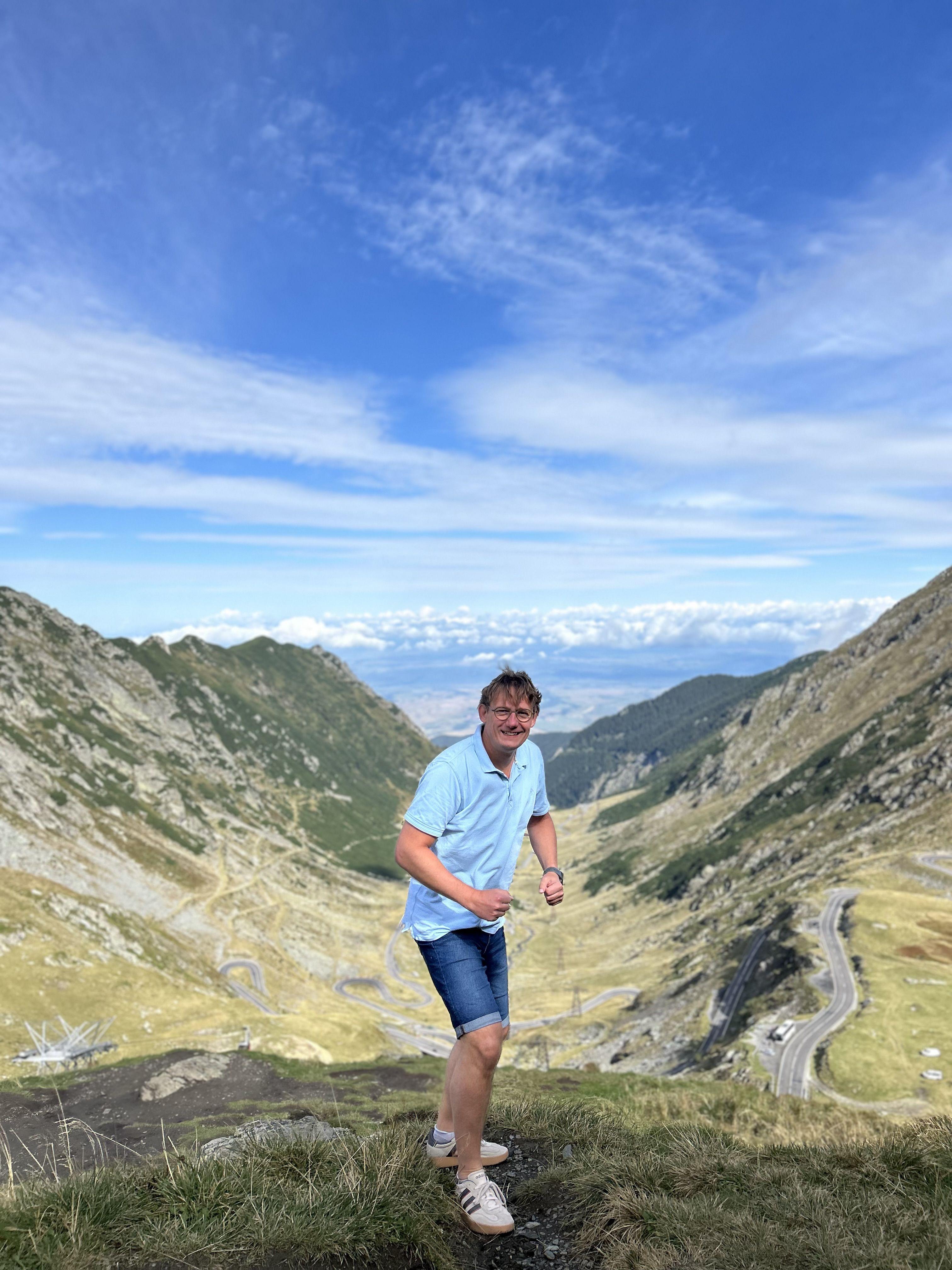
A happy tourist on Transfagarasan Road
9. Practical Planning: The Quick-Reference Guide
In this section I laid out extra info and resources to help you decide on budget, timing, transport, and itinerary.
How Much Will It Cost?
While Romania was once famously cheap, prices have risen, especially on popular routes. Here are realistic 2026 daily budget estimates per person:
- Budget (€40–60): Hostels or basic guesthouses, local bakeries, public transport, and self-guided sightseeing.
- Mid-range (€80–120): 3-star hotels or quality Airbnbs, dining out twice daily, and a mix of trains and occasional guided trips. This is the "sweet spot."
- Comfortable (€150–200): Boutique stays, premium dining, private guided tours, and multiple paid attractions.
| Budget | Mid-range | Comfortable | |
|---|---|---|---|
| 5 days | €200–300 | €400–600 | €750–1,000 |
| 7 days | €280–420 | €550–850 | €1,050–1,400 |
| 10 days | €400–600 | €800–1,200 | €1,500–2,000 |
Per person. Flights not included. Assumes double occupancy for accommodation.
When to Go: Season by Season
- May–June (Our Favorite): Warm (20–28°C) and lush with manageable crowds. Hiking season begins, the Danube Delta is at its best, and the Transfăgărășan typically opens mid-June.
- July–August: Peak season and hot (up to 35°C). Expect crowds in Brașov and higher prices due to popular summer festivals.
- September–October: Ideal for photography. Pleasant temperatures (15–25°C), golden forests, thinned crowds, and the wine harvest season.
- November–March: Cold and often snowy in the mountains. However, Romanian Christmas traditions are truly special and worth the chill.
Check our full guide on when to visit Romania for more.
Getting Around: Car vs. Train vs. Guided Tour
Trains work well for:
- Bucharest ↔ Brasov, Bucharest ↔ Sinaia, Brasov ↔ Sighisoara, Sibiu ↔ Bucharest
- Any route where you’re going from city center to city center
Trains don’t work for:
- Saxon villages, Maramures, mountain villages, the Danube Delta, the Transfagarasan, hiking trailheads
Rent a car if:
- You’re doing Route B (Maramures) — non-negotiable
- You want to visit Saxon fortified villages between Sighisoara and Sibiu
- You’re comfortable with winding mountain roads and occasional livestock
Practical car rental tips:
- Book through international platforms (Rentalcars.com, DiscoverCars) for best prices
- Automatic transmission cars exist but cost more. Book early
- Fuel costs roughly €1.50/liter
- One-way drop-off between cities is usually possible with a surcharge of €30-80
What to Pack
Always bring:
- Comfortable walking shoes - cobblestones and uneven terrain
- Layers - temperatures can swing 10-15 degrees between morning and afternoon, especially in the mountains
- A light rain jacket - Carpathian weather changes fast
- Sunscreen and a hat for May-September
- Cash (Romanian lei) - rural areas often don’t accept cards
- A power adapter (European Type C/F plugs, 230V)
For hiking, add:
- Proper hiking boots (not sneakers) for any serious trail
- A warmer layer even in summer - mountain ridges above 2,000m are cooler
For the Danube Delta, add:
- Mosquito repellent - non-negotiable May - September
- Binoculars for birdwatching
- Light long-sleeve layer for early morning boat rides
For Maramures and Bucovina, add:
- Modest clothing if you plan to enter churches (cover shoulders and knees)
Frequently Asked Questions About Visiting Romania
How many days do you need in Romania?
Five days covers Bucharest and Transylvania highlights. Seven is the "sweet spot" for a proper Transylvania loop or Maramures. Ten days allows for Transylvania plus the Delta or Maramures without rushing. For the complete experience (all three regions), plan for 14+ days.
Can you see Romania in 5 days?
In five days, you can cover Bucharest, Brașov, and the main castles, but you'll need to skip Sibiu, Sighișoara, and the more remote regions. Stick to the Bucharest-Brașov corridor to enjoy it properly rather than rushing across the country.
Is it better to fly into Bucharest or Cluj-Napoca?
Fly into Bucharest for a 5-7 day classic Transylvania route; it offers the most flights and lowest fares. Choose Cluj-Napoca for Maramures or the Apuseni Mountains to save a full day of travel. For longer trips, fly into one and out of the other to avoid backtracking.
Do you need a car to travel in Romania?
You don't need a car for a basic Transylvania trip, as trains connect Bucharest, Brasov, Sighisoara, and Sibiu well. However, you will need a vehicle or a guide for the Saxon villages, the Transfagarasan, Maramures, the Delta, or hiking. If your itinerary includes these remote spots, rent a car or book a tour.
What is the best time of year to visit Romania?
May–June and September–October are the best months, offering pleasant weather and fewer crowds. July–August is peak season, hot and busy, but ideal for festivals. The Transfagarasan and Danube Delta are best from late spring through early autumn, while winter brings Christmas markets, skiing, and snow-covered villages.
How much does a 7-day trip to Romania cost?
For a mid-range trip, expect €550–850 per person, while budget travelers can spend €280–420. High-end trips with boutique stays and private guides cost €1,050–1,400. Romania remains cheaper than Western Europe, with meals at €10–20, hotels at €35–60, and a guided day tour at €50–150.
Is Romania safe for tourists?
Romania is generally very safe for international visitors, with violent crime being extremely rare. Just take standard precautions: watch your belongings in crowds, use apps like Bolt for transport (it works great in all major cities), and keep valuables out of sight in rental cars. Outside the cities, rural communities are incredibly welcoming and virtually crime-free.
Can you visit Maramures as a day trip?
No, and we strongly advise against it. Maramures is a 7–8 hour drive from Bucharest and 3.5 hours from Cluj-Napoca. Even from Cluj, it's not a realistic day trip since the region's charm lies in slowing down to experience village life. Plan at least two full days there, ideally by flying into Cluj-Napoca for a 3–4 day visit.
10. Want a Customized Itinerary?
Go with a guided tour if:
- You don’t want to drive and trains don’t reach where you want to go
- You want local context and stories, not just sights
- You’re visiting bear watching, hiking, or the Danube Delta
- You’re traveling solo and want the social aspect
These itineraries are just a starting point. Over the years, we've designed hundreds of custom trips, from photography and food tours to mountain hikes and cultural drives.
If you want a themed itinerary or a trip that doesn't fit our standard templates, just message us. Tell us your interests, activity level, and timeframe, and we'll handle the logistics and guides so you can simply enjoy Romania.
---
That was a long read! Now, we can't wait to see you in Romania.
Your Romanian Friend,
Marius