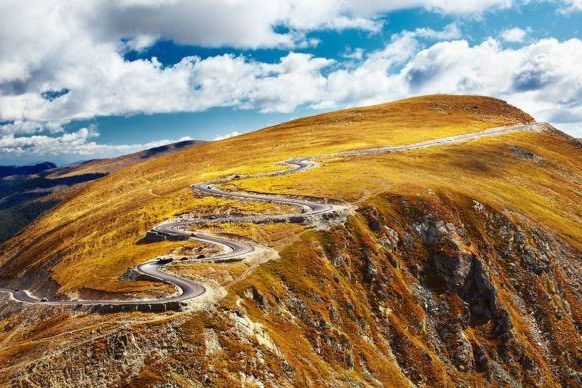


Transalpina Road
Transalpina (latin for “across the mountains”) is a spectacular mountain road, the Transalpina highway, and at 2,145 m at Urdele Pass it is Romania’s highest road, high in the Carpathian Mountains (Southern Carpathians), offering not only breathtaking views but also unique driving experiences.
While it may not share the same international fame as the Transfăgărășan, which gained legendary status after being featured on Top Gear, the Transalpina is arguably the superior route for those seeking a pure, high-altitude driving experience.
It stretches 148 kilometers through the Parâng Mountains on National Road 67, crossing between the historical regions of Transylvania and Oltenia, with dramatic hairpin turns and steep gradients as it runs from Gorj County toward Alba County, and was previously known as ‘The Devil’s Path” as it used to be just a steep path, wild and not fully paved and suitable for normal traffic. Around 20 kilometers remain above the tree line, and the drive shifts from dense valleys to open stone plateaus and alpine tundra.
It is also less crowded and less commercialized than the Transfăgărășan, giving it a more authentic mountain-drive feel in the region.
Transalpina Highway’s History: From King's Road to Everyone's Road
Transalpina's history stretches back to ancient paths utilized by Roman legions during their expansion into Dacia. Over the centuries, these rugged tracks became vital routes for local shepherds navigating the Southern Carpathians with their flocks. However, the road’s transformation into a modern marvel began in 1930. In 1938, King Carol II officially inaugurated the route, earning it the enduring nickname "The King's Road."
During the turbulence of World War II, German troops rebuilt segments of the pass to serve as a strategic military route. Despite its history as a strategic road, it remained largely inaccessible for decades until a massive infrastructure project paved the way for its grand reopening in 2009, transforming it into the high-altitude artery that connects the heart of modern Romania.
For modern adventure seekers, the Transalpina is an essential destination. The main travel season falls within the summer months, with the road typically open from late June to early October (weather permitting). Because the pass reaches such dramatic elevations, its accessibility is strictly dictated by the elements; visitors should always check current weather reports and road status, as late-spring snow or early-autumn storms can frequently impact transit.
When the weather clears, however, the route rewards travelers with unparalleled vistas, making it one of the most sought-after driving experiences in the country.
Experiences Along the Iconic Mountain Road
Numerous events, including the Transalpina Bike Fest, Transalpina Winter Bike, Porsche Adventure Tour of Romania, or the Mercedes-Benz Chasing Stars Adventure, are held there.
Start with a full tank, use Google Maps only as a backup because signal can be limited, and confirm the current status before setting out. While most tourists choose to experience the natural beauty of this famous route from the comfort of their car, a 4x4 is not required, but adequate power, controlled speed, and using low gear on descents matter at high altitude. Fans of cycling can better explore the stunning scenery of Transalpina Road on a bike tour.
For many visitors, the best way to enjoy the landscape is simply to ride through it at their own pace. You’ll be delighted to know that a ski resort has just opened nearby if you’re a fan of winter sports. These ski resorts provide some of the finest skiing, snowboarding or sledding opportunities in the entire country for both beginners and pros. And after an intense day on the slopes, you can chill in cozy lodges while enjoying traditional Romanian cuisine.
With the opening of these ski resorts, the Transalpina Road has become a year-round destination for adventure-seekers and nature lovers alike. Because weather can change fast, early mornings are best, warm layers are useful even in summer, and weekends are usually the most crowded.
Visiting the charming villages near the Transalpina Road is one of the best ways to discover Romania’s real essence. In addition to breathtaking natural scenery, these villages provide a unique opportunity to immerse yourself in Romanian culture and traditions. The surrounding region links mountain communities toward Sibiu County on one end and toward Gorj County and Alba County on the other. The opportunity to taste traditional Romanian cuisine, which is renowned for its rich and hearty flavors, is one of the highlights of visiting these villages.
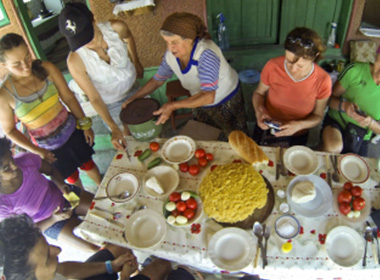
But it’s not just about the food; many locals are happy to share their knowledge of old Romanian recipes and food-preparation techniques, and tourists can take part in cooking workshops to learn how to make delicious dishes on their own. There is no shortage of mouthwatering delicacies to try, from savory stews and soups to sweet pastries and desserts.
For hikers venturing into the surrounding landscape, the most prominent glacial lake accessible from the Transalpina is Lake Gâlcescu (Lacul Gâlcescu). Tucked away in the wild, rugged terrain of the Parâng Mountains at an altitude of 1,925 meters, it stands as the largest glacial lake in the entire massif. Reaching this pristine alpine mirror requires a rewarding hike, but the effort is well worth it for the opportunity to witness its deep blue waters framed by dramatic mountain peaks, offering a perfect, tranquil contrast to the adrenaline-filled drive along the mountain pass.
- if you're looking for a place to stay we would recommend Hotel Popasul Regelui on the road itself and closer to Alba Iulia.
Places to visit
4 times a year we prepare a newsletter with local stories, places and our special insights about Romanian culture and local life that will inspire you to visit our country and have an authentic local experience. Would you like to get it?