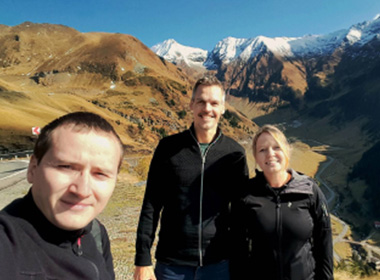
The honest mistakes we see travelers make, and how to avoid them, from locals who’ve helped 10,000+ people visit our country.
We’ve been running Romanian Friend since 2017. In that time, we’ve helped over 10,000 travelers plan their trips, connected them with 50+ local guides across the country, and heard about basically everything that can go right, and wrong, on a holiday in Romania.
The good news? This beautiful country is generally safe, affordable, and genuinely stunning.
The bad news? Many people leave feeling like they missed out on the true local culture because of avoidable planning errors.
Here are the 17 mistakes we see most often, told by locals to help you start planning the perfect stay.
Planning Mistakes
These are the ones that happen before you even board the plane. And they’re the ones that hurt the most, because by the time you realize the problem, it’s too late to fix it.
- 1. Trying to see everything in one trip
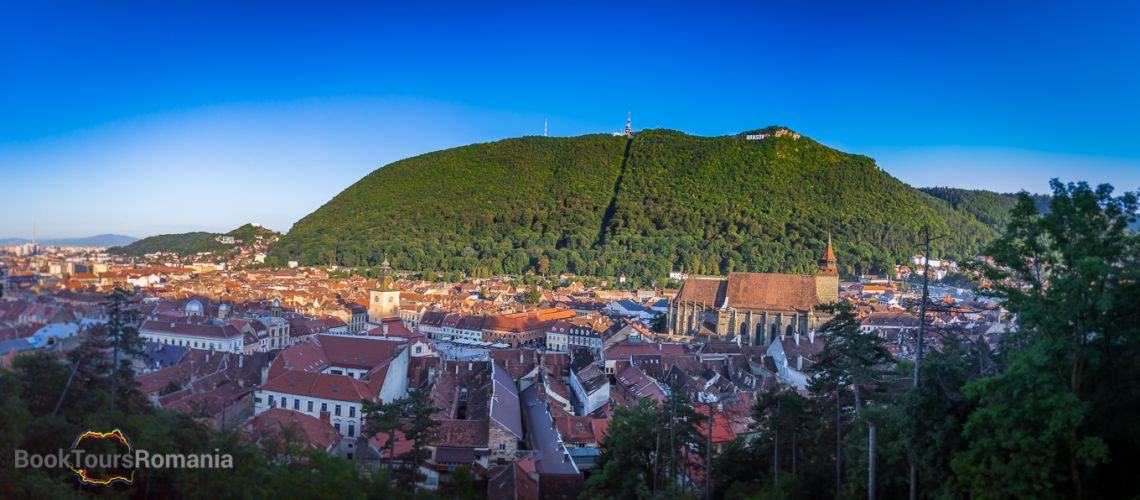
Our country is roughly the size of the UK, but many travelers underestimate the size of Romania and the time needed to explore it fully. We get emails every week from people asking if they can “do” Bucharest (or other major cities), Transylvania, Maramures, and the Danube Delta in 5 days. The short answer: no. The long answer: you’ll spend more time in a car than experiencing the country, and you’ll go home exhausted instead of inspired.
Our advice? Pick one or two regions, slow down, and actually enjoy them. Romania rewards patience. Those who see less usually experience much more of the local culture. We’ve created detailed itineraries for 5, 7, and 10 days that show you what’s realistically possible at each duration. Check our guide for how many days in Romania with itineraries and daily plans.
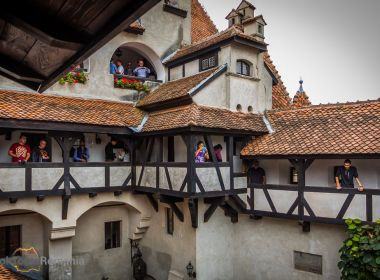
- 2. Only planning for Bucharest and Bran Castle
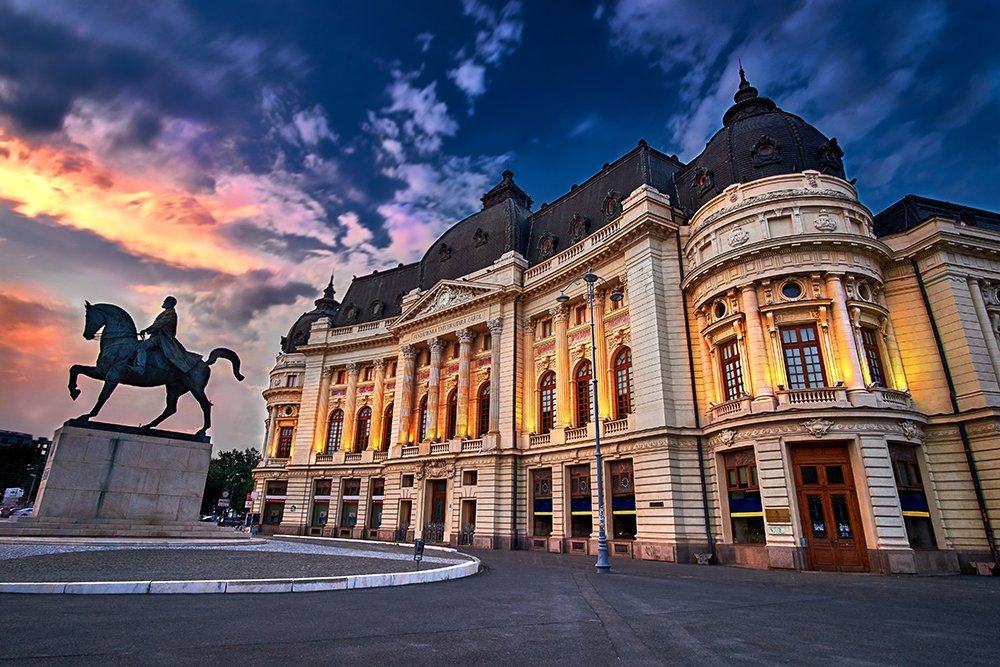
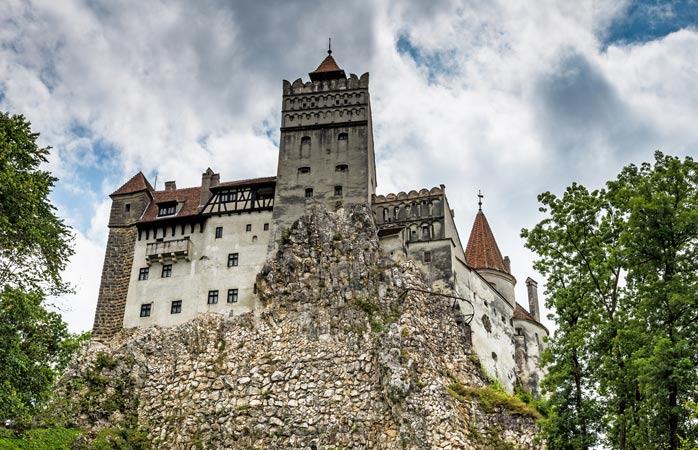
If your entire Romania itinerary is “two days in Bucharest and a day trip to Dracula’s castle,” you’re seeing maybe 5% of what the country has to offer. It’s a bit like visiting Italy and only seeing Rome’s airport and the Colosseum.
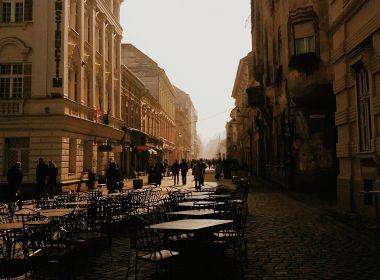
Don't get me wrong, while the famous landmarks are worth visiting, the heart of the country is found in the medieval squares of Sibiu or the rural areas of Maramures.
Give yourself permission to go beyond the obvious tourist attractions.
- 3. Not checking opening dates and schedules
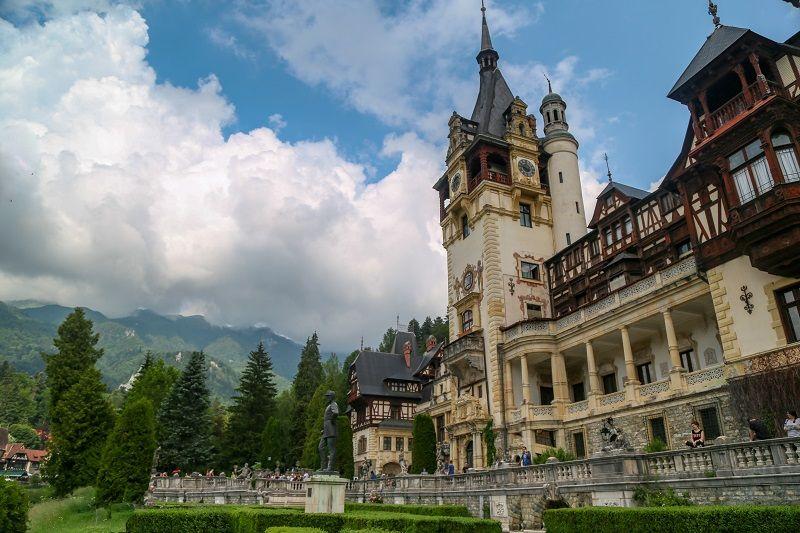
This one causes actual tears. We’ve had travelers plan their entire trip around the Transfagarasan road only to discover it’s closed, because the mountain section only opens from roughly July to October, and nobody told them. Peles Castle, one of Romania’s most impressive sights, is closed every Monday and Tuesday. Some churches and museums in smaller towns keep “creative” hours that change by season.
The fix is simple: check before you build your itinerary around a specific attraction. Our seasonal guide covers when everything opens and closes, or just ask us. We keep track of this stuff so you don’t have to.
- 4. Automatically flying into Bucharest when Cluj makes more sense
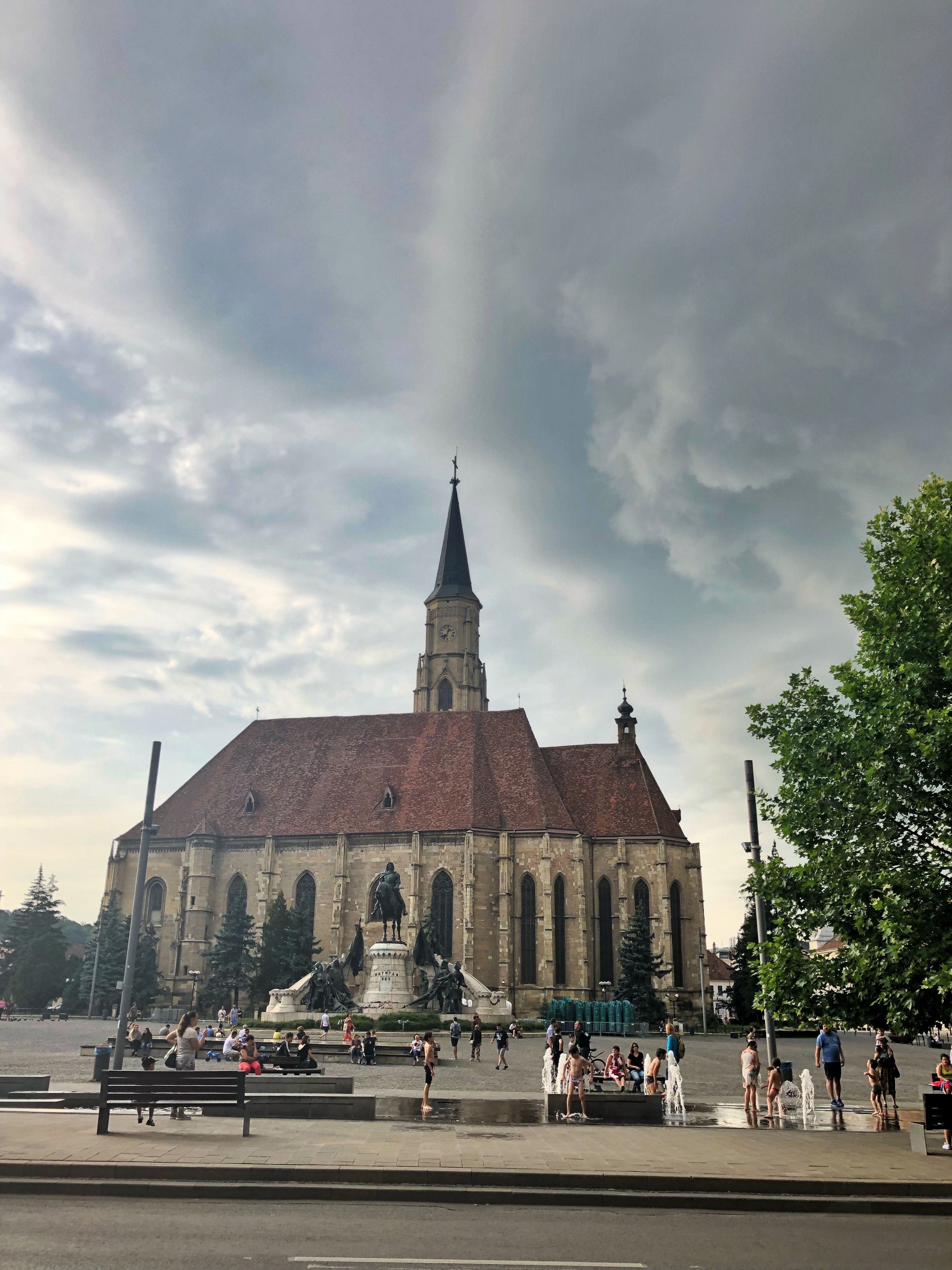
Bucharest is Romania’s main international airport, so most people default to it. But here’s what they don’t realize: if your goal is to see Maramures, Apuseni Mountains, or northern Transylvania, flying into Cluj-Napoca saves you a whole day of transportation.
Cluj has direct flights from several European cities (Wizz Air, Ryanair). If you’re doing 7+ days and heading north, fly into Cluj. Even better for 10+ day trips: fly into Bucharest, travel north through Transylvania, fly home from Cluj. Open-jaw tickets usually cost only €10-30 more than round trips, and they save you a full day of backtracking. This one tip alone can transform a rushed trip into a relaxed one.
Getting Around Mistakes: Major Cities and Local Laws
Romania’s infrastructure is... let’s call it “charming.” The scenery is world-class. The roads getting there? Sometimes less so. Here’s how to avoid the transport traps.
- 5. Trusting Google Maps drive times
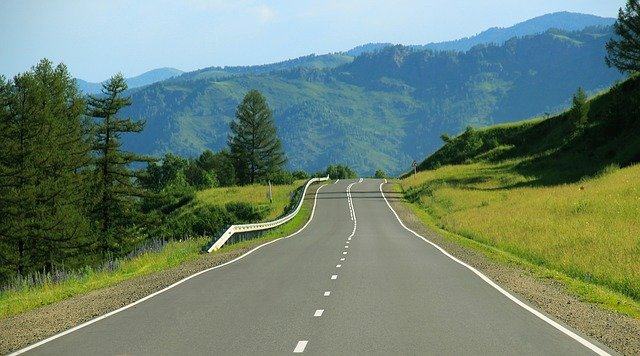
Google says Bucharest to Brasov is 2 hours and 30 minutes. Google is adorably optimistic. A 2-hour drive often turns into 3.5 hours due to traffic in larger cities or construction on national roads.
Driving in Romania is gorgeous, but don't expect to get anywhere fast. Between winding mountain passes and the very real chance of getting stuck behind a horse-drawn cart, a flock of sheep, or wandering livestock, patience is a must. While the major city streets and inter-city highways are mostly fine, driving conditions in rural areas may be hazardous due to poorly lit or unpaved roads.
Do yourself a favor while visiting Romania: just add 30-50% to whatever travel time Google Maps gives you. Your blood pressure will thank you!
Sad fact: Romania, unfortunately, has the highest rate of road fatalities of all European Union countries. It is the one part of your trip where you shouldn’t take any chances. Stay alert, drive defensively, and never feel pressured to rush.
- 6. Assuming trains go everywhere
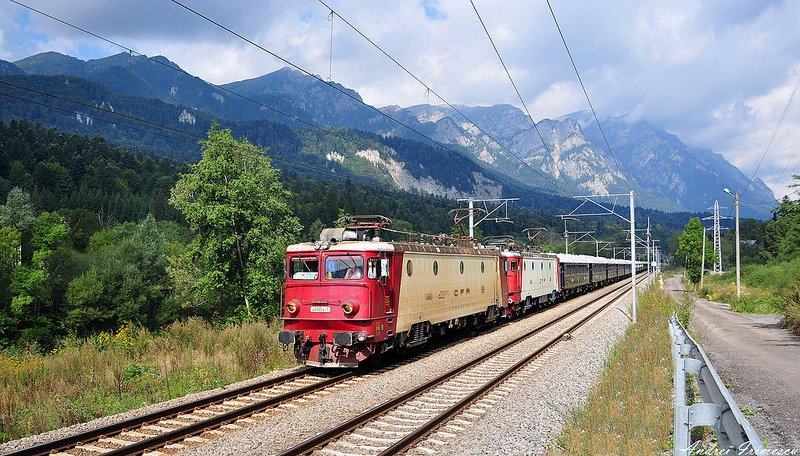
Trains work great between the big cities. Bucharest to Brasov? Comfortable, scenic, 2.5 hours. Brasov to Sibiu? Fine. Sibiu to Cluj? Doable.
But here’s where tourists get stuck: trains don’t reach the Saxon fortified villages, can’t get you to Maramures (technically they can, but it takes 10+ hours and involves connections that feel like a survival challenge), don’t go anywhere near hiking trailheads, and are useless for the Danube Delta or the Transfagarasan road. For these, which happen to be Romania’s most beautiful destinations, you need a car or a guided tour. No way around it. Our transport guide has the full breakdown.
- 7. Not buying the highway vignette before driving
This is the mistake that costs real money. If you rent a car, you need a Rovinieta, a digital highway vignette that allows you to drive on Romania’s national roads. It costs about €4 for a week. Stay compliant with local laws and buy it online or at petrol stations before you hit the road. If you don’t have one, the police check electronically and the fine starts at €120. We’ve seen rental companies that don’t mention this, so consider yourself warned.
Talking about laws, Romania has a strict 0.0% blood alcohol limit for drivers.
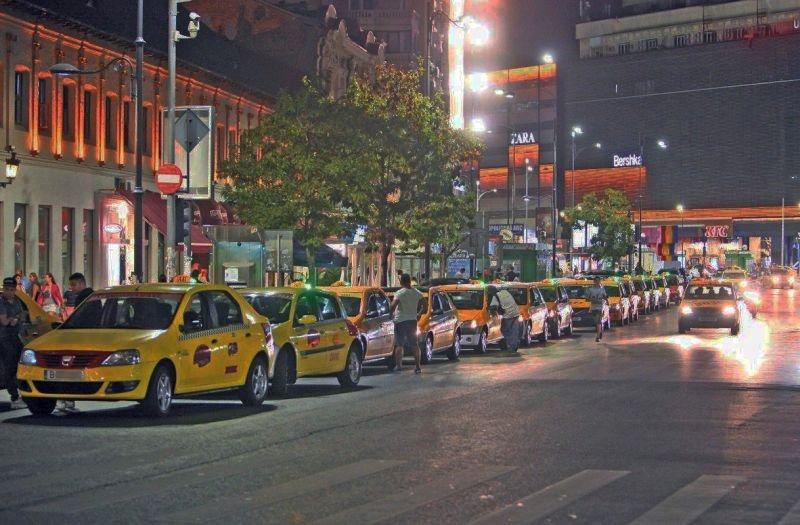
- 8. Taking random taxis in Bucharest
This is the #1 tourist complaint about Romania, and it’s been the #1 tourist complaint for as long as we can remember. Taxi drivers at airport terminals and train stations are notorious for overcharging. We’re talking 3-5x the normal fare.
The fix is ridiculously easy: download the Bolt or Uber app (works perfectly in all Romanian cities). Or use the automated taxi dispatch terminals at the airport. Never, ever accept a ride from someone who approaches you inside the terminal. It doesn’t matter how friendly they seem. Just... don’t. Your wallet will thank you.
Experience Mistakes: Local Customs, Rural Areas and Famous Landmarks
These are the ones that don’t ruin your trip, but they do make it less amazing than it could have been. And that’s almost worse, because you go home thinking Romania was “fine” when it should have been unforgettable.
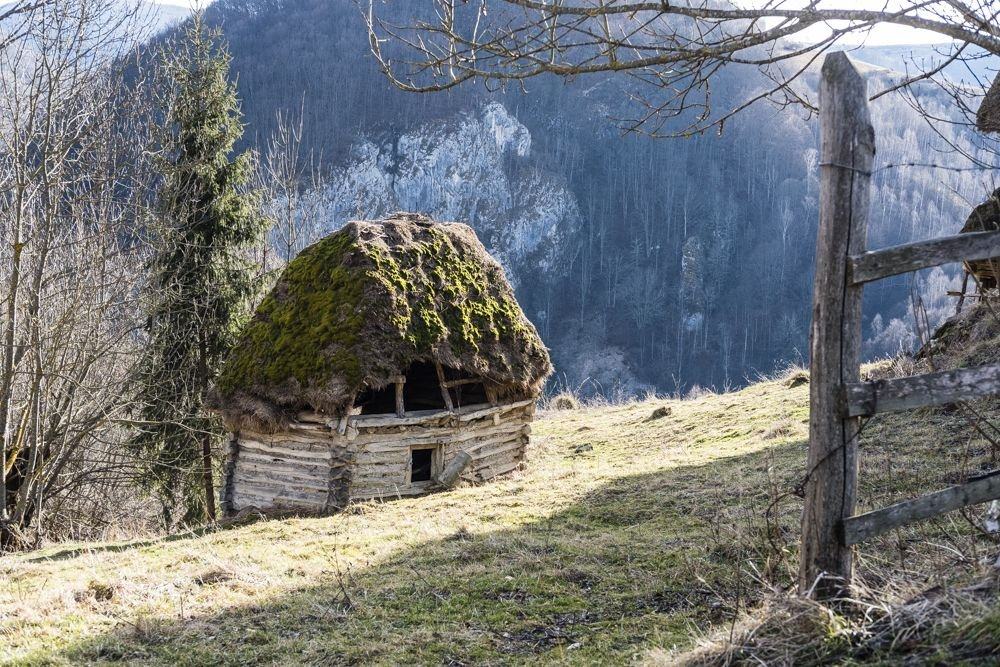
- 9. Rushing through places that reward slow travel
Maramures and the Danube Delta are not checklist destinations. They’re slow-travel destinations. Spending one night in Maramures is barely enough to arrive and leave. You won’t understand why the region is special until you’ve spent a morning watching a craftsman carve a wooden gate, or an afternoon sitting with your hosts while they explain why their pălincă is better than that of their neighbour's :)
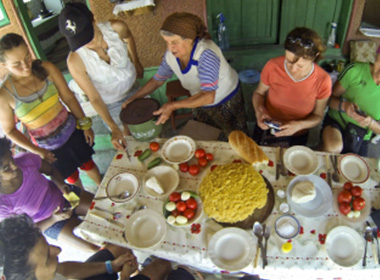
The best memories often happen at a dinner table in rural areas.
Same with the Delta: a day trip from Bucharest means 10 hours of driving and 3 hours on a boat. You’ll be exhausted and disappointed. Give these places minimum 2 full days each. If you can’t, honestly? Save them for another trip. They’ll still be here.
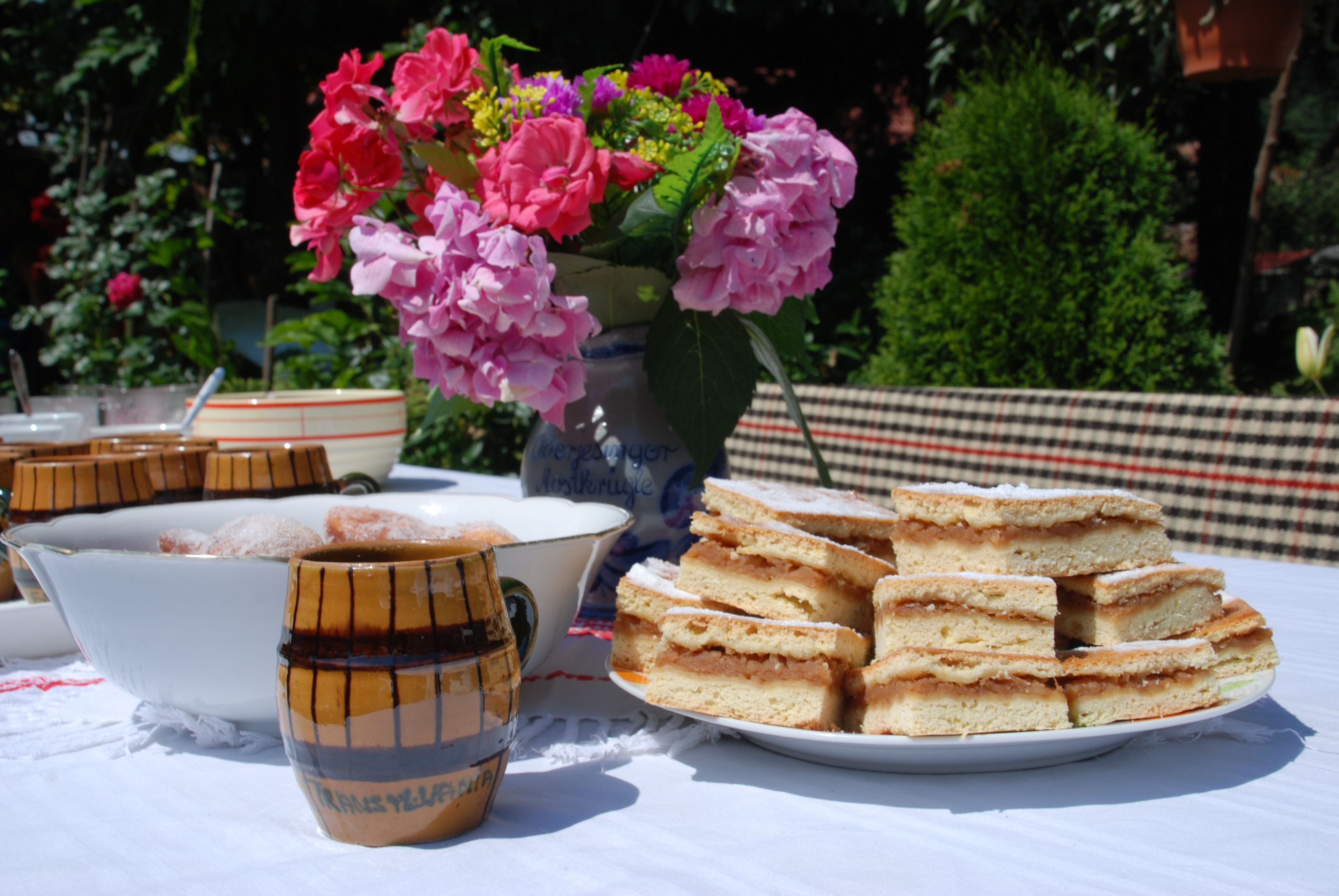
- 10. Only visiting the famous sights
The castles and citadels are great, don’t skip them. But here’s what we’ve noticed after years of reading our travelers’ feedback: the moments people write about, the ones they describe as “life-changing” or “unforgettable,” almost none of them happened at a famous attraction.
They happened at a dinner table in a village guesthouse where the host kept bringing more food. Or at an unmarked viewpoint our guide took them on a hike. During a conversation with a shepherd who spoke no English but communicated everything through gestures and smiles.
Build space in your itinerary for the unplanned. The best things in Romania don’t have opening hours.
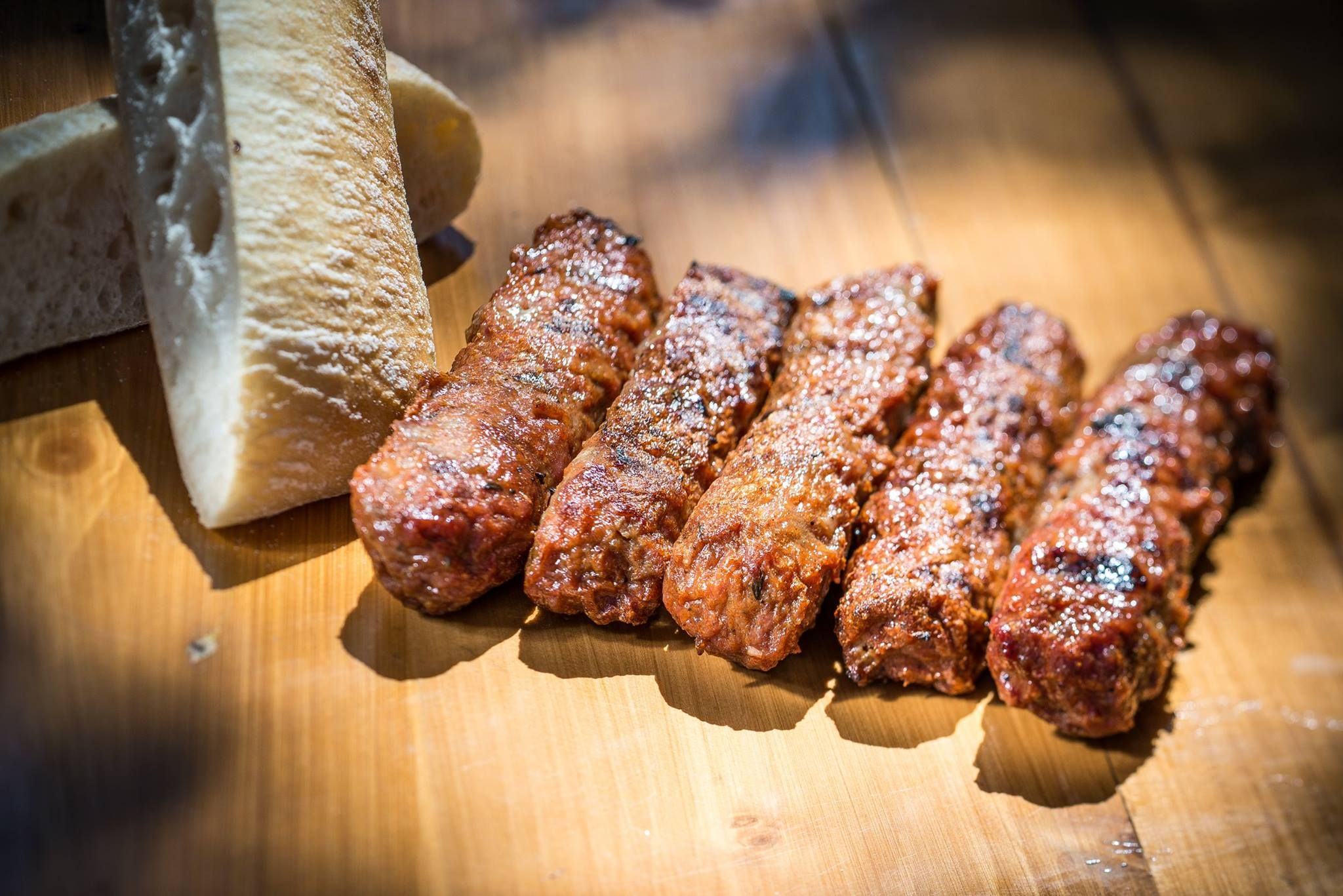
- 11. Skipping Romanian food for “safe” international options
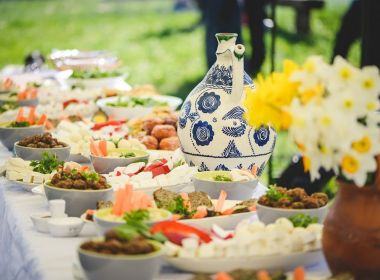
We get it, in an unfamiliar country, the pizza place with an English menu feels like a safe bet. But if you eat pizza and pasta for your entire Romania trip, you’ve committed what we consider a culinary crime.
Romanian food is hearty, flavorful, and absurdly affordable; a blend of Eastern European and Balkan flavors, with regional specialties that vary from one region to another. Try ciorbă (sour soup; sounds weird, tastes incredible), sarmale (stuffed cabbage rolls; the dish Romanians judge weddings by), mici (grilled minced meat rolls; best enjoyed with mustard and a cold beer at an outdoor market), and papanași (fried doughnuts with sour cream and jam; you’re welcome). Even better, take a food tour with a local who can guide you through the best of what each city has to offer.
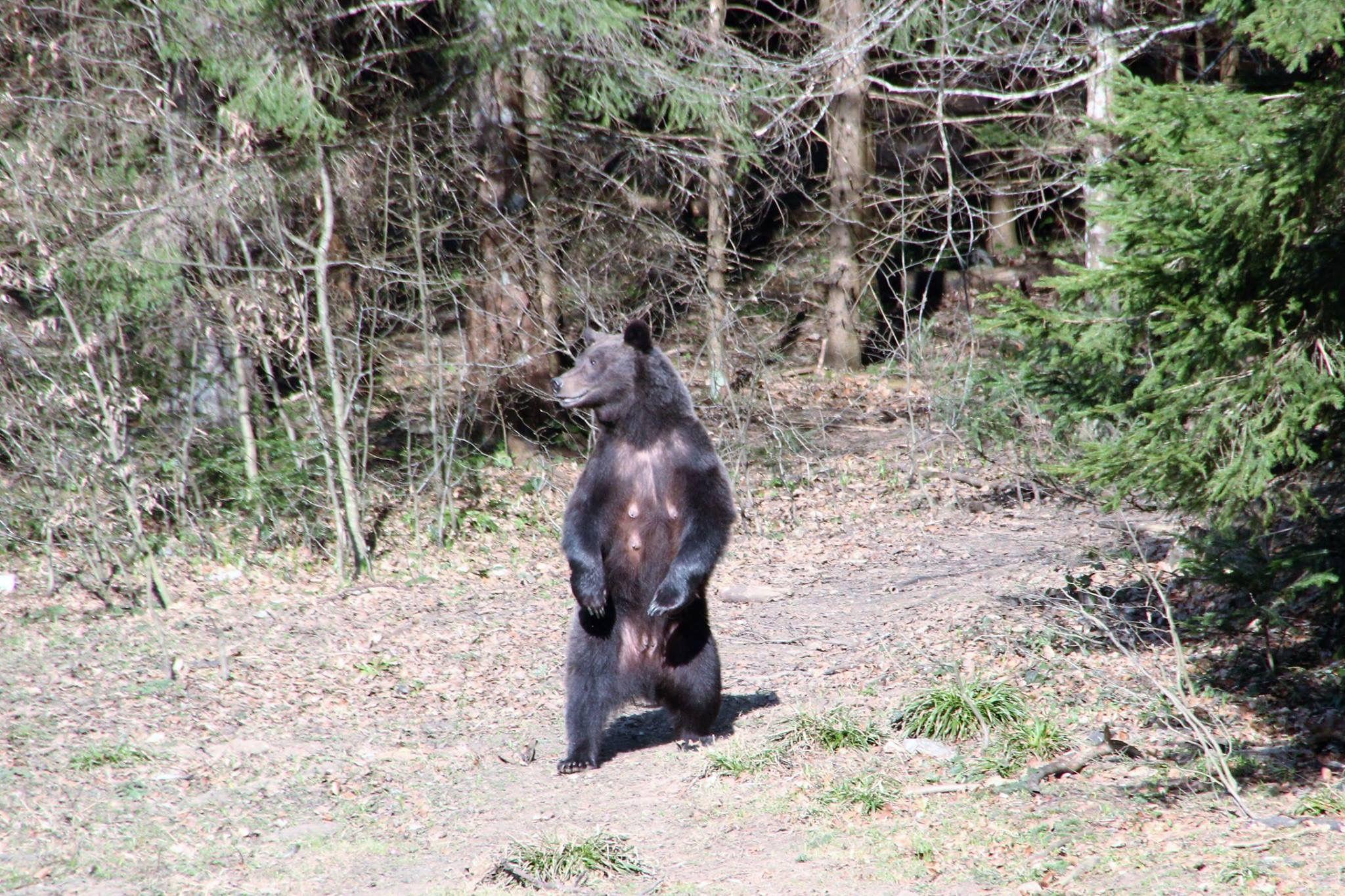
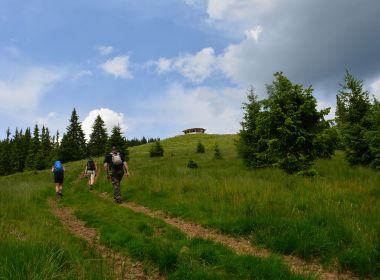
- 12. Hiking without a guide in bear country
Romania has over 6,000 brown bears, the largest population in Europe. Most hiking areas in the Carpathians are bear habitat. Before you panic: bear encounters are rare on trails during the day, and bears generally avoid humans. But “rare” is not “never.”
We strongly recommend hiking with a certified guide who is aware of bear behavior and carries proper safety gear, especially in Piatra Craiului and Fagaras Mountains. Our guides carry bear spray, know current bear activity in the area, and can read the signs that tell you bears have been through recently. Our hiking guide has all the trail details and safety info.
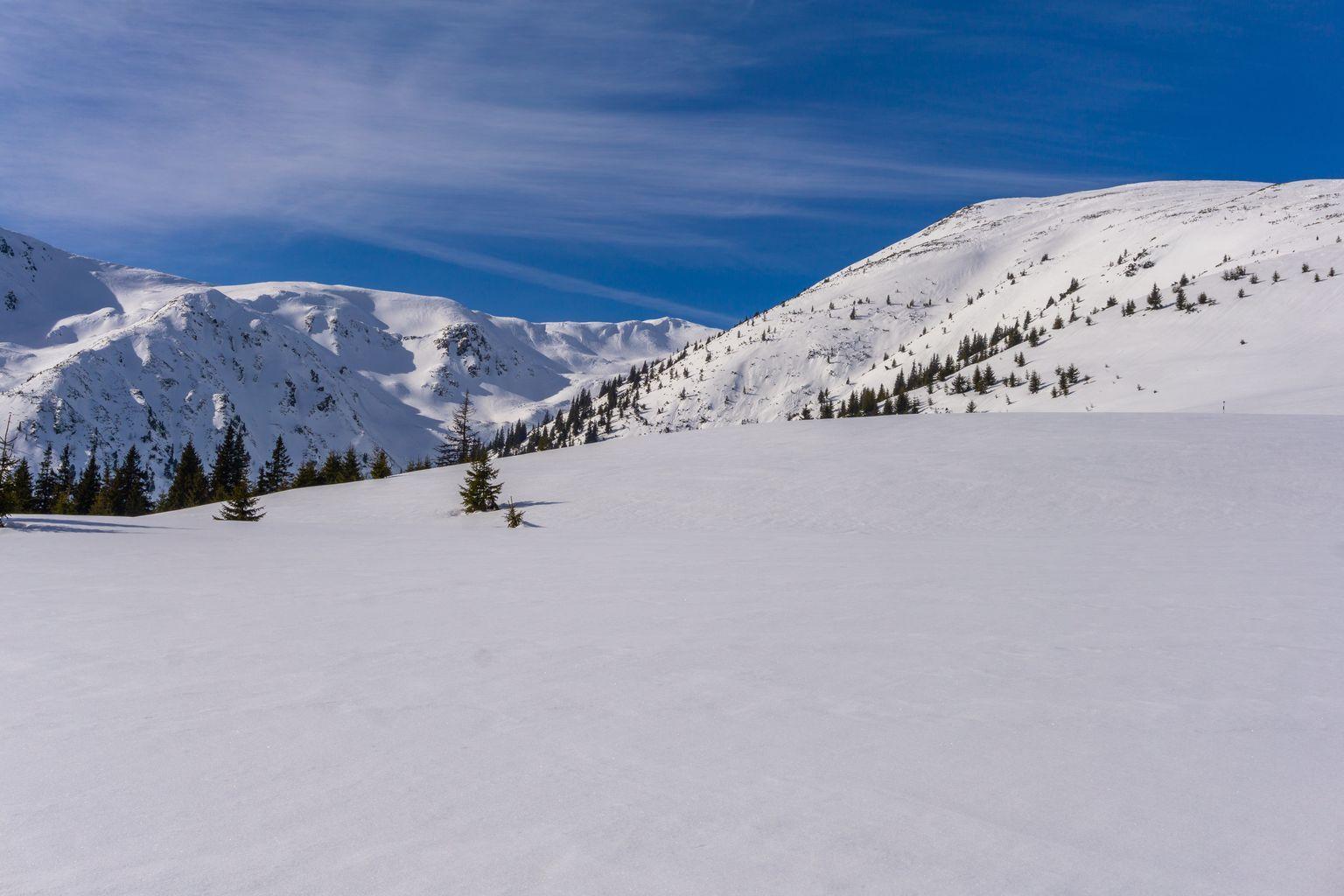
- 13. Expecting to see wildlife in winter
We get this question more than you’d think: “We’re visiting in January, can we do the bear watching tour?” Short answer: no. Bears hibernate from roughly November through March. Most other large wildlife, wolves, bison, lynx, retreat to remote high-altitude areas during winter and are virtually impossible to spot.
If wildlife is a priority for your trip, plan your visit for the summer months. Bear watching tours near Brasov run during this period with an 85%+ sighting rate. The Danube Delta’s bird life peaks in May-June (nesting season) and September-October (migration). Winter in Romania has its own magic, snow-covered villages, Christmas markets, skiing, but wildlife isn’t part of it.
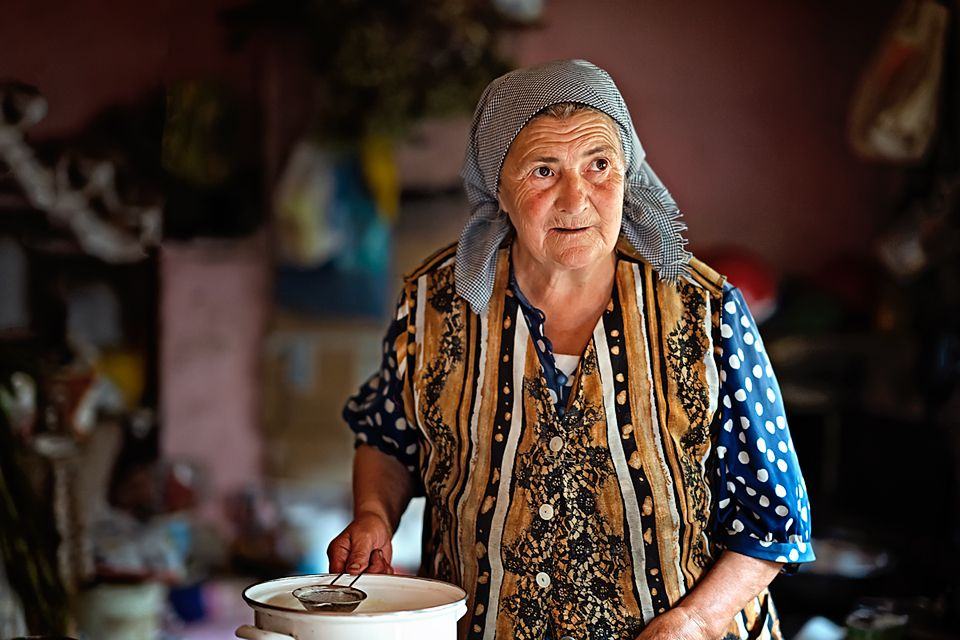
- 14. Refusing your host’s hospitality
This one is cultural, and we promise it comes from a good place: when a Romanian host offers you food, drink, or a second (or third) helping, they mean it. When they insist you try their homemade pălincă (fruit brandy), bring out another plate of cheese, or refuse to let you pay for anything, that’s not a sales tactic. That’s just how Romanians are.
This is especially true in rural areas. Hospitality in Maramures, Bucovina, and the Transylvanian countryside goes beyond what most Western travelers are used to. People will feed you until you physically cannot eat another bite, and they will be genuinely offended if you don’t at least try everything.
Our advice: accept graciously, eat enthusiastically, and bring a small gift for your hosts (chocolates, a bottle of wine from your country, anything thoughtful). You’ll make their day, and yours.
Money and Practical Mistakes
The unglamorous stuff that can quietly make or break a trip.
- 15. Not carrying cash outside the cities
While cards are widely accepted in hotel rooms and restaurants in major cities, small shops in rural areas are often cash-only.
The currency is Romanian lei (RON), not euros. Some tourist-facing businesses display prices in euros, but you always pay in lei. ATMs are widely available in cities but scarce in rural areas, especially Maramures and parts of the Delta. Our rule of thumb: before leaving any major city for a day trip or village visit, have at least 200-300 lei in cash on you. That’s roughly €40-60 and will cover meals, tips, entrance fees, and small purchases.
- 16. Not having a local SIM card or offline maps
Here’s the good news: Romania has some of the fastest and cheapest mobile internet in Europe. Seriously, it’s better than most of Western Europe. A prepaid SIM from Vodafone, Orange, or Digi costs €5-10 at any phone shop or the airport and gives you generous data.
In RO, card payments are accepted almost everywhere, and there’s very good wifi. Public Wi-Fi is not so much, though, and I’m not sure if public wifi is safe anymore these days.
Here’s the less good news: signal gets patchy in mountain valleys, the Danube Delta, and deep rural areas, exactly the places where you need navigation most. Download Google Maps offline for Romania before your trip. Also, download Google Translate with the Romanian language pack. English is widely spoken in cities and by younger Romanians, but in villages you’ll sometimes need a translation assist. A little preparation here makes a big difference.
- 17. Underestimating how affordable Romania is
This is the happiest mistake on the list. Romania is one of the most affordable countries in the European Union. Many travelers budget as if Romania were France or Italy, then realize their money goes 2-3 times further. A proper restaurant meal with drinks: €10-20. A night in a really nice hotel: €35-60. A guided day tour with a local expert: €50-150. A half-day bear watching experience: €45. A four-course home-cooked dinner in a village guesthouse: often included in your €25/night room rate.
The point isn’t to go as cheap as possible, it’s that Romania lets you travel comfortably without constantly checking your wallet. Eat at proper restaurants, book a quality guesthouse, take a guided tour or two. You can have an incredible mid-range trip for €80-120 per person per day, and that includes doing things, not just existing.
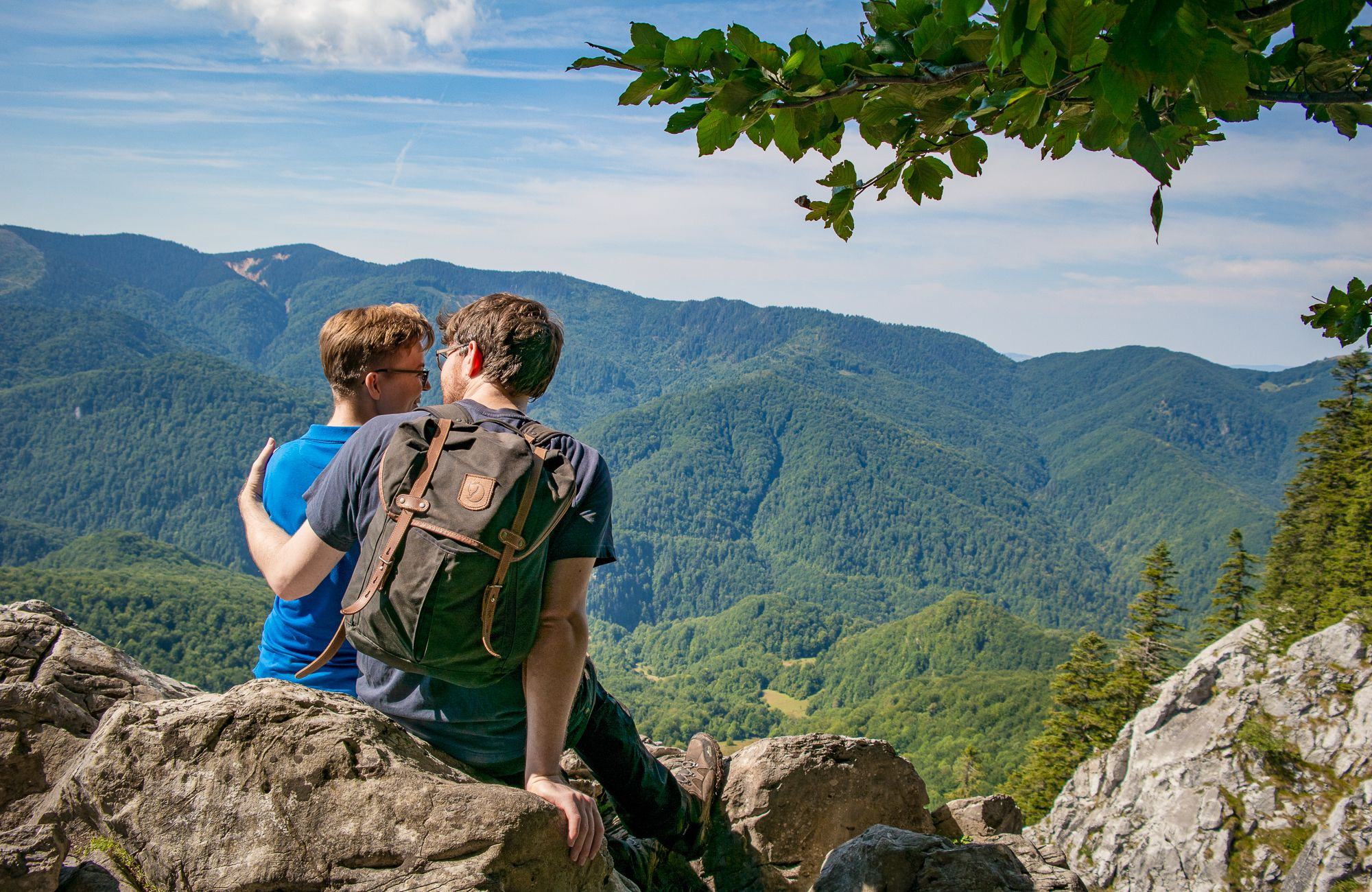
The Biggest Mistake of All?
Not coming in the first place.
Romania is one of Europe’s last undiscovered gems, but it won’t stay that way forever. Tourism is growing, and the places that feel untouched today will feel different in 5-10 years.
Grandmothers in the few remaining authentic Romanian villages who remember life before communism won’t be here forever. The shepherds who move their flocks through mountain passes the same way their grandfathers did are a generation that’s slowly fading.
Come now. Come with realistic expectations, a flexible spirit, and an empty stomach. Avoid the mistakes above, and you’ll have one of the best trips of your life.
And if you want help making it happen, choosing the right itinerary, finding the right guides, sorting out the logistics that make most people’s heads spin, that’s literally what we do. We’re Romanian Friend, and we’ve been helping people fall in love with our country since 2017. Send us a message and tell us about your trip.
Frequently Asked Questions
- Is Romania safe for tourists?
Romania is generally safe, and violent crime is extremely rare. Use common sense with your personal belongings in crowded train stations, just as you would in other European cities. While bag snatching or drink spiking are uncommon, staying aware of your surroundings helps you stay safe. You'll likely never need the nearest police station, but local authorities are helpful if you do. Note that local laws regarding drug offences are very strict and can lead to jail sentences.
- How many days do you need in Romania?
We recommend 7–10 days to see a mix of major cities, the Danube Delta, and the mountains. 5 days for Bucharest and Transylvania highlights. 7 days for a proper Transylvania loop, including Sibiu and Sighisoara, or a cultural trip through Maramures from Cluj. 10 days to combine Transylvania with the Danube Delta or Maramures. 14+ days for the complete experience. See our Romania itinerary guide for day-by-day plans.
- Do you need a car to travel in Romania?
Not for a basic Transylvania city trip, trains connect Bucharest, Brasov, Sighisoara, and Sibiu. But you need a car or guided tour for Saxon villages, Maramures, the Transfagarasan road, the Danube Delta, and hiking trailheads. See our getting around Romania guide.
- What’s the best time to visit Romania?
May-June and September-October are ideal: pleasant weather, manageable crowds, everything open. As with many European countries, July and August are peak season. While it can be hot and crowded, these summer months are great for festivals and enjoying the Black Sea coast.
The Transfagarasan road is only open roughly July-October. Winter offers Christmas markets, skiing, and snowy villages, but no wildlife and limited access to mountain roads. More info in our when to visit Romania guide.
- Is Romania expensive to visit?
No, Romania is one of the most affordable countries in the EU. A mid-range trip costs approximately €80-120 per person per day including decent accommodation, restaurant meals, transport, and some guided experiences. Budget travelers can manage on €40-60/day. It’s significantly cheaper than Western Europe while offering comparable quality of experiences.