What you’ll actually spend in 2026, and how to spend it smartly
Here’s the honest answer everyone wants up front: Romania is still one of the best-value destinations in Europe (even Eastern Europe), but it’s no longer the cheap-as-chips backpackers' and budget travelers' country it had a reputation for being a decade ago.
Prices in our tourist cities have caught up with the rest of Europe. Prices in our villages and rural areas haven’t. The gap between the two is bigger than any travel blogger will tell you, and understanding how much the prices vary is the key to planning a great trip without overspending.
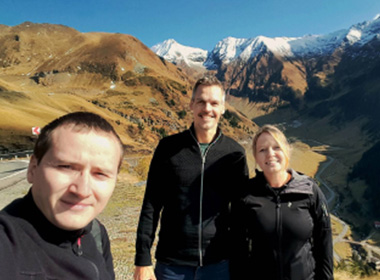
We’re Romanian Friend, a team of locals who’ve helped over 10,000 travelers visit Romania since 2017. We see what people actually pay, where they overpay, and where the genuine bargains still exist. This guide is the budget breakdown we wish every visitor had before booking their flights.
Here are the headline numbers for 2026:
| Travel style | Daily budget per person | What it covers |
|---|---|---|
| Budget | €40–60 | Hostels, local food, public transportation, free or cheap activities |
| Mid-range | €80–130 | Comfortable hotels or guesthouses, restaurants, occasional guided tours, taxis when needed |
| Comfortable | €150–250 | Boutique hotels, nice restaurants, multiple guided experiences, car rental or private transport |
All figures in EUR per person, per day. Excludes international flights. Assumes double occupancy for accommodation.
Now let’s break it down properly, because the truth is, those daily average prices hide some big regional and seasonal swings.
Table of contents
- Is Romania still cheap? The honest answer
- What actually changed
- Romania vs. its neighbors
- Cost breakdown by category for the entire country
- How much does Romania cost for activities and guided tours
- Sample budgets: How much 5 days, one week trip, or 10 days actually cost
- 5-day trip (Bucharest + Brasov + castles)
- 7-day trip (Transylvania classic loop)
- 10-day trip (Transylvania + Maramures or Danube Delta)
- When to visit for the best prices
- How to optimise your Romania budget
- What’s NOT cheap in Romania
- The smart way to travel: The hybrid approach
Is Romania still cheap? The honest answer
Romania built its reputation as a budget destination in the early 2010s, when €20 got you a hostel bed, a hearty restaurant meal, and a couple of beers with change to spare. That Romania still exists, but only in parts.
Three things have changed since 2020:
- Inflation. Like everywhere in Europe, prices jumped during and after the pandemic. Food, fuel, and accommodation rose 25-40% between 2019 and 2025.
- The war in Ukraine. Romania shares a border with Ukraine. Energy costs spiked, refugees increased demand for housing in major cities, and tourism rebounded faster than expected. Bucharest hotels in particular saw significant price increases.
- Tourism growth. Romania has been “discovered.” Brasov, Sibiu, and the Saxon villages now draw enough international visitors that prices in central tourist zones have aligned with Western European norms.
What actually changed
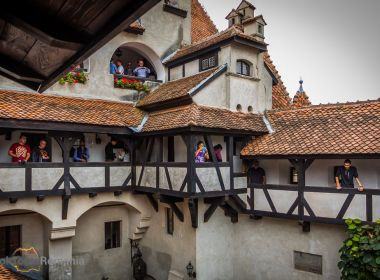
In tourist cities, Bucharest, Brasov, Cluj-Napoca, Sibiu, Timisoara, mid-range and high-end prices are now broadly comparable to other capitals in the European Union.
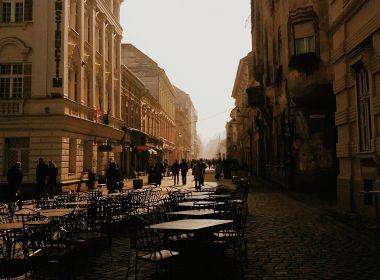
A nice restaurant dinner with wine in Bucharest’s Old Town now costs roughly the same as in Vienna or Berlin. A boutique hotel in Brasov’s historic center can easily run €100-150 per night in summer. Coffee in a hip cafe in the capital city is €3-4, not €1.
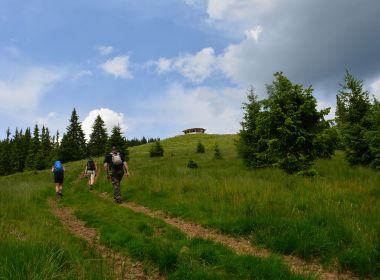
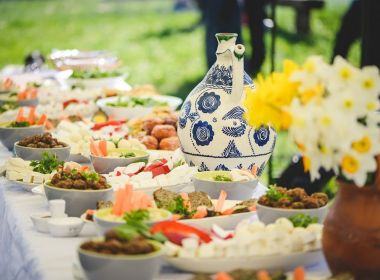
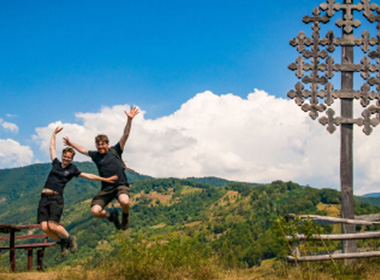
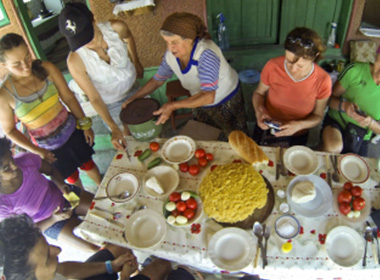
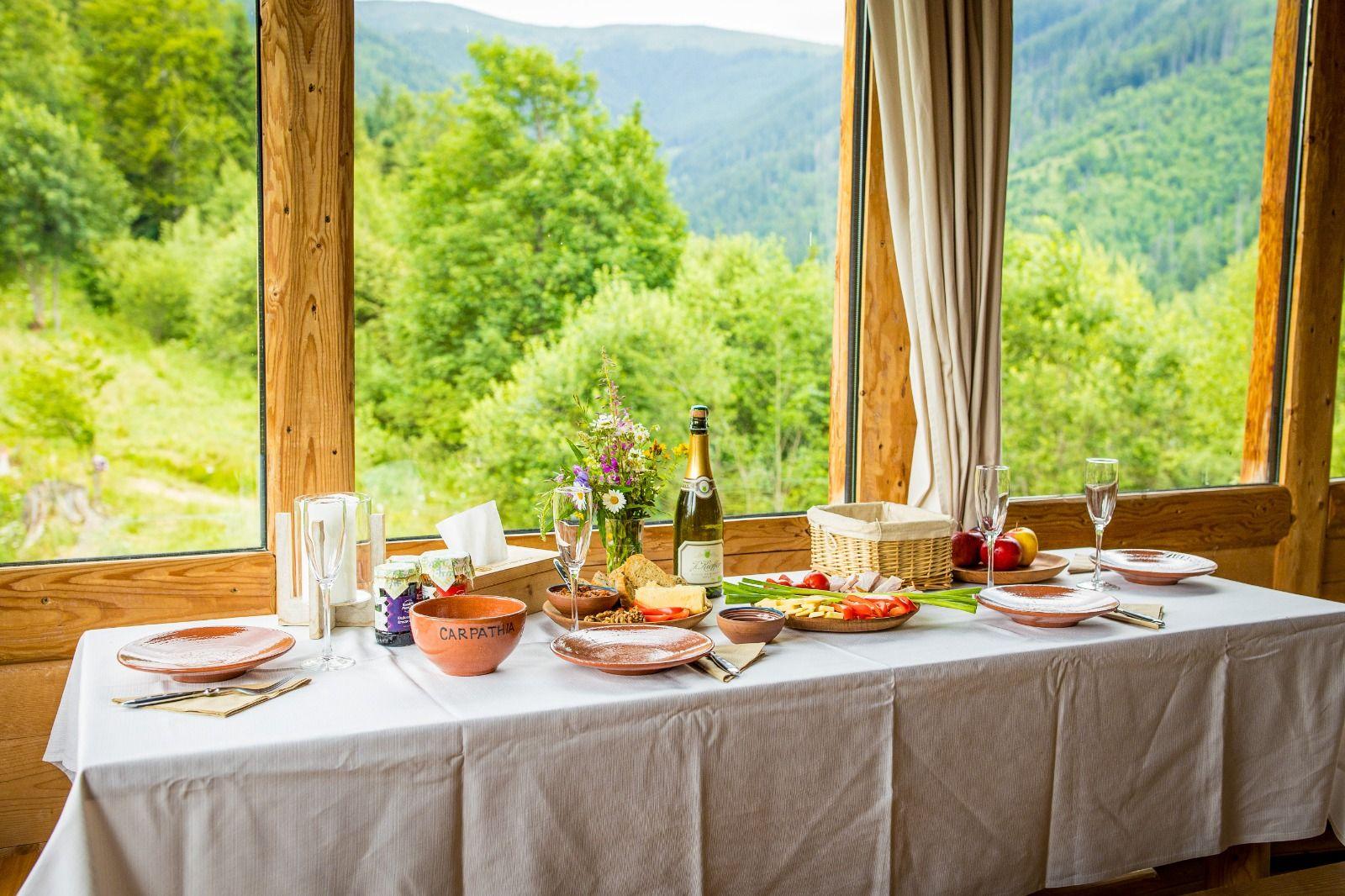
Outside the cities, it’s a different country. A village guesthouse in Maramures will charge you €25-35 per night including a home-cooked dinner that two people can’t finish. A meal at a rural restaurant rarely exceeds €10. Local farmers’ markets sell produce for prices that haven’t changed much in years. You need to go to these kinds of places to actually keep your food costs low. But you won’t regret it.
2 or 3 Days in Maramures: Wooden Churches, Traditions & Village Life
Start from: Cluj-Napoca
Understanding the city-versus-countryside gap is essential for adapting your average daily cost to current reality, rather than relying on outdated data from years ago.
The smart way to travel here is to mix the two: spend time in the cities for the cultural highlights, then balance your budget by spending time in rural areas where you’ll eat better and sleep cheaper than anywhere else in Europe.
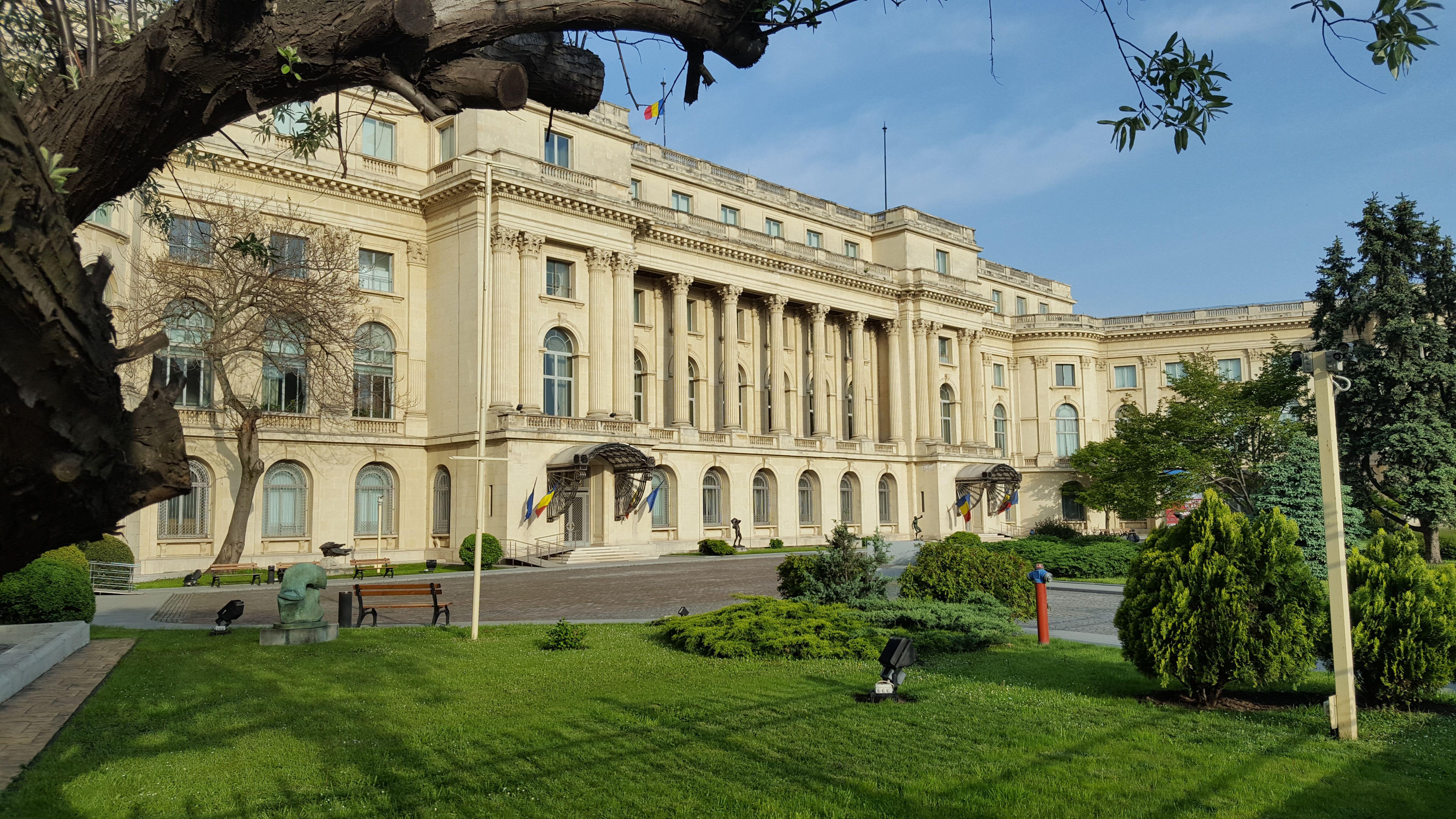
Romania vs. its neighbors
So how does Romania actually compare in 2026 to the other countries? Here’s a rough comparison of typical mid-range daily budgets across nearby destinations:
| Country | Typical mid-range daily budget | How Romania compares |
|---|---|---|
| Romania | €80–130 | - |
| Hungary | €100–150 | Romania is cheaper by ~15-20% |
| Czech Republic | €110–160 | Romania is cheaper by ~25% |
| Poland | €90–140 | Roughly comparable, slightly cheaper in Romania |
| Bulgaria | €70–110 | Bulgaria is slightly cheaper |
| Western Europe (Italy, France, Germany) | €180–300 | Romania is significantly cheaper, often 40-50% less |
The takeaway: Romania is still reasonably affordable compared to other countries. It’s cheaper than most of Central Europe and dramatically cheaper than Western Europe. But the days of “Romania is the cheapest country in the EU” are gone. You need to plan smartly to get the best out of your budget.
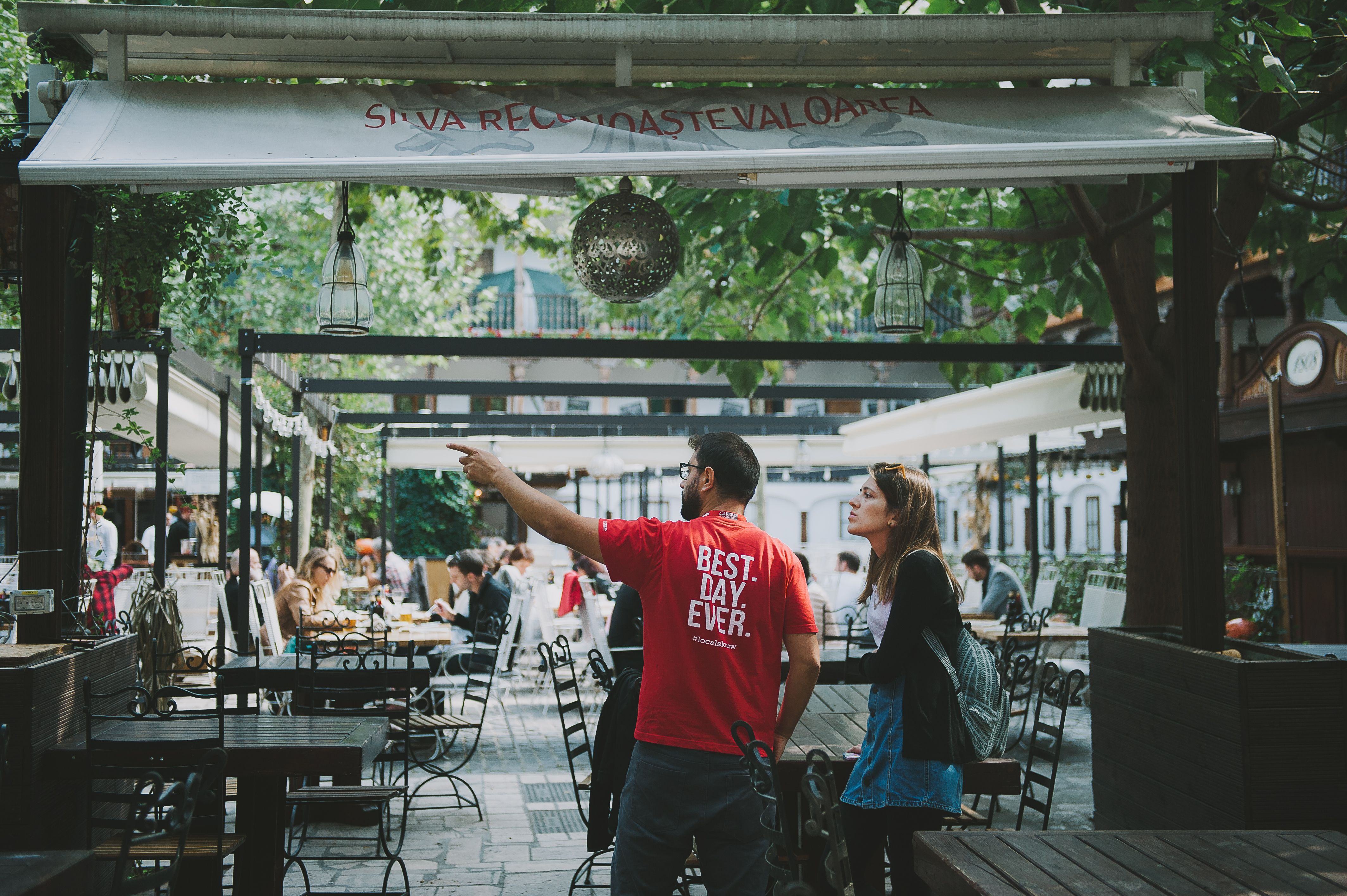
The hybrid approach: This is exactly why we often advise visitors to take a hybrid approach to their trip. Combine independent travel where you book your own hotels, eat at your own pace, and explore cities at your own rhythm, with selected guided day trips from each city you stay in.
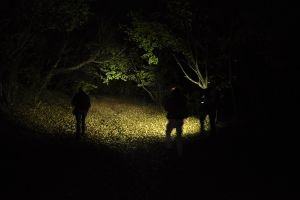
You skip the cost of a multi-day private guided tour, which can be your biggest expense and can run €500-2,000 per person, but you still get a local guide for the experiences that genuinely benefit from one. Here's a selection of such tours:
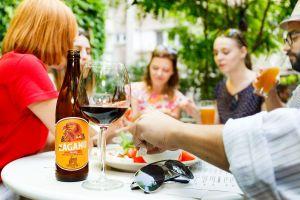
Bucharest Street Food Tour: Farmers' Markets & Hidden Streets
Start from: University Square
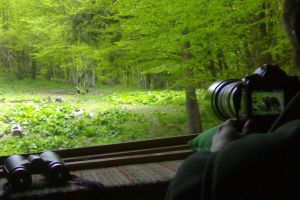
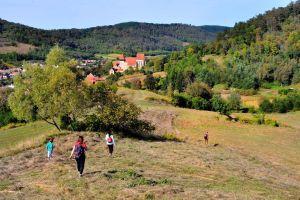

This strategy will maximises both your budget and your enjoyment, and it’s how most of our travelers structure their trips.
Cost breakdown by category for the entire country
Here’s what you’ll actually spend on each part of your trip, with realistic 2026 prices and the local insights you won’t find on aggregator sites. You can even calculate an average monthly budget with these insights.
- Accommodation
Accommodation is the single biggest variable in your Romania budget. Choose well, and you’ll save hundreds of euros without sacrificing comfort.
| Type | Price per night | Best for |
|---|---|---|
| Hostel dorm bed | €12–20 | Solo travelers, social atmosphere |
| Private hostel room | €30–55 | Budget couples, social vibe |
| Budget hotel / 2-star | €35–55 | Practical, no frills |
| Mid-range hotel / 3-star | €55–95 | Most travelers, comfortable |
| Boutique hotel / 4-star | €95–160 | Quality experience |
| Luxury hotel / 5-star | €180–350+ | Premium stays in Bucharest |
| Village guesthouse | €25–40 (often with dinner) | Authentic rural experience |
| Mountain hut/cabin | €20–40 (often with meals) | Hikers, nature lovers |
Local insider tip: stay 10 minutes outside the city center and save 30-40%. In Bucharest, neighborhoods like Floreasca, Cotroceni, or Dorobanti are residential, safe, well-connected by Uber/Bolt, and dramatically cheaper than the Old Town. In Brasov, staying in the Schei district (a 5-minute walk from Council Square) cuts prices noticeably.
The seasonal premium: expect to add 20-30% to accommodation costs during peak season (July and August) in Brasov, Sibiu, and the Black Sea coast. December prices in Sibiu and Bucharest also spike around the Christmas markets. Book early or visit in May, June, September, or October for the best rates.
- Food and drink
Food is where Romania still feels genuinely affordable, especially if you avoid the most touristy areas. Here’s what to expect:
| Item | Typical price | Notes |
|---|---|---|
| Street food (e.g. covrig, mici) | €1–4 | Cheapest meal option |
| Bakery items/pastries | €1–3 | Excellent breakfast or snack |
| Meniul Zilei (set lunch menu) | €5–9 | 3 courses, weekday only, the best deal in Romania |
| Casual restaurant meal | €8–15 | Main course with drink |
| Mid-range restaurant | €15–30 | Full meal with starter, main, drink |
| Fine dining | €40–80+ | Bucharest, Cluj, Sibiu have excellent options |
| Coffee in a nice cafe | €2–4 | Speciality coffee culture is stro |
| Local beer | €2–4 | Craft beer €4-7 |
| Glass of Romanian wine | €3–7 | Bottle in shop €6-15 for good quality |
| Village guesthouse dinner | Often included in room rate (€0-10 extra) | Best meals of your trip |
Local insider tip: look for restaurants advertising Meniul Zilei (menu of the day) on weekdays at lunchtime. You’ll get a soup, main course, and sometimes dessert for €5-9. It’s how Romanians eat lunch, office workers, students, locals, and the food is usually traditional and freshly made. Tourist restaurants don’t advertise these because they’re aimed only at locals.
Where food is more expensive than you’d expect: Bucharest’s Old Town (Lipscani area), the central squares of Brasov and Sibiu, and anywhere with a view of tourist attractions. These are genuinely tourist-priced but if you walk 5 minutes in any direction, and prices drop 30-50% for similar quality.
- Transport
Romania’s transport system is one of those areas where what you choose dramatically changes your budget. Here are your options:
Trains
Trains are reliable and cheap between larger cities, but slower than driving. They work well for the classic Bucharest → Brasov → Sibiu → Cluj corridor.
| Route | Price (2nd class) | Time |
|---|---|---|
| Bucharest → Brasov | €15 | 2.5–3 hours |
| Brasov → Sighisoara | €12 | 2.5 hours |
| Brasov → Sibiu | €13 | 3.5–4 hours |
| Sibiu → Cluj-Napoca | €10–15 | 4–5 hours |
| Bucharest → Cluj-Napoca | €25–34 | 9–14 hours |
Local tip:first class costs barely more than second class (often just €2-4 extra) and gives you a much more comfortable seat. Worth it for any journey over 2 hours. Book at cfrcalatori.ro or at the station.
Buses and BlaBlaCar
For routes where trains don’t go (or don’t go quickly), buses and ridesharing fill the gap. BlaBlaCar is the most popular ridesharing platform in Romania, you share a ride with a vetted local driver heading the same direction.
- Bucharest → Brasov by BlaBlaCar: €8-12, ~2.5 hours
- Cluj → Maramures by BlaBlaCar: €10-15, ~3 hours
- Local buses for short distances: €1-3
Car rental
If you want to explore Saxon villages, Maramures, the Transfagarasan, or any rural area, you’ll need a car. Public transport simply doesn’t reach these places.
- Daily rental: €25-45 (compact car)
- Weekly rental: €175-280
- Fuel: roughly €2/liter
- Highway vignette (rovinieta): €6 for 10 days
- One-way drop-off between cities: €30-80 surcharge
Critical warning about the rovinieta: you MUST buy a highway vignette before driving on national roads. It costs only €6 for 10 days, but if you don’t have one, the fine starts at €120, and the police check electronically. Most companies include this in the rental price, but verify this upon pickup; if it’s missing, you can buy it online at erovinieta.ro after you pick up the car.
Taxis and ride-hailing
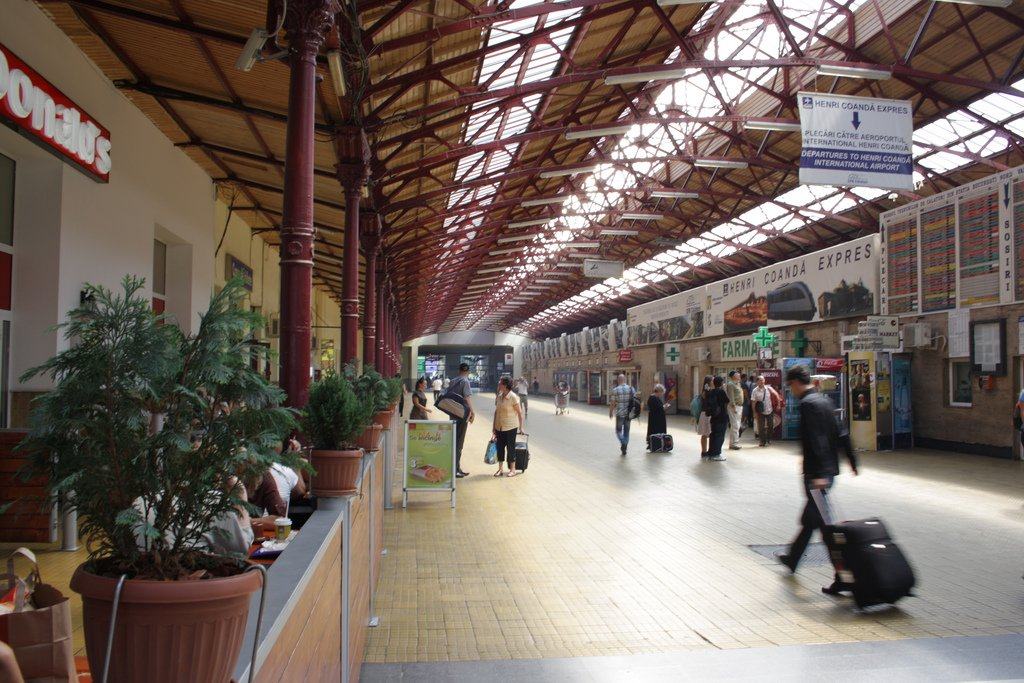
Bolt (similar to Uber) works perfectly in all major Romanian cities. It’s cheap, reliable, and avoids the airport taxi scam problem entirely.
- Bolt ride within Bucharest: €3-7
- Bucharest airport to city center by Bolt: €10-18
- Bucharest airport by random taxi: easily €30-60 if you’re not careful
Never take a taxi that approaches you at the airport. This is the #1 tourist scam in Romania. Use Bolt, the airport’s automated taxi dispatch terminals, or pre-arranged transfers. Once you're in the city, here's how to get around and avoid the scams.
Domestic flights
Wizz Air and TAROM operate domestic flights between Bucharest and Cluj-Napoca, Timisoara, and Iasi. Prices are typically €25-60 one-way if booked in advance. For the Bucharest → Cluj route, flying takes 1 hour vs. 9-14 via train travel; the time saved is well worth the extra cost, especially on a tight itinerary where every hour counts.
How much does Romania cost for activities and guided tours
Entry fees to attractions in Romania are remarkably affordable. Tours range from cheap to premium depending on what you’re doing.
| Type | Price range | Notes |
|---|---|---|
| Most museum entrance fees | €2–8 | Even major museums rarely exceed €10 |
| Castle entrance (Peles, Bran, Corvin) | €8–15 | Buy online to skip queues |
| Walking tour (group) | Free–€15 | Tip-based or low-cost |
| Half-day group tour | €30–60 | Bear watching, food tours |
| Full-day group tour | €60–110 | Castle day trips, Saxon villages |
| Private day tour with guide | €150–400 | For 2-4 people, includes transport |
| Hiking tour with certified guide | €80–200/day | Premium expertise commands a premium |
| Wildlife / bear tracking guide | €100–300/day | Specialised expertise, limited availability |
| Multi-day private guided tour | €2,000–4,000+ | All-inclusive, best for premium travelers |
A note about hiking and wildlife guides: these cost more than other guided experiences, and that’s for good reason. Romanian mountain guides who lead trips in Piatra Craiului or Fagaras need certifications, mountain rescue training, and intimate knowledge of bear activity in their area. Wildlife guides spend years learning bear behavior patterns. Their expertise commands a premium because it’s genuinely rare, and worth it for safety and the quality of the experience.
Sample budgets: How much 5 days, one week trip, or 10 days actually cost
These are realistic 2026 budgets per person for trips of different durations. They assume you’re traveling as a couple (sharing accommodation), arriving on Day 1 and departing on the final day. International flights are not included.
Each tier reflects a real travel style:
- Budget: hostels or basic guesthouses, mostly self-catering or street food, public transport, free or low-cost activities, occasional cheap meal out.
- Mid-range: comfortable 3-star hotels or boutique guesthouses, restaurant meals, mix of trains and a couple of guided day trips, occasional taxis.
- Comfortable: boutique 4-star hotels, nice restaurants, multiple guided experiences, car rental or private transport, no compromises.
5-day trip (Bucharest + Brasov + castles)
| Category | Budget | Mid-range | Comfortable |
|---|---|---|---|
| Accommodation (4 nights) | €60–80 | €180–280 | €360–560 |
| Food & drink | €50–70 | €100–140 | €180–250 |
| Transport (trains, local) | €30–50 | €50–80 | €100–150 |
| Activities & 1 guided day trip | €30–60 | €100–150 | €200–350 |
| Misc (tips, sim, snacks) | €20–30 | €30–50 | €60–100 |
| TOTAL per person | €190–290 | €460–700 | €900–1,400 |
7-day trip (Transylvania classic loop)
| Category | Budget | Mid-range | Comfortable |
|---|---|---|---|
| Accommodation (6 nights) | €90–120 | €270–420 | €540–840 |
| Food & drink | €70–100 | €150–220 | €270–400 |
| Transport (trains, local) | €50–80 | €80–130 | €180–280 |
| Activities & 2 guided day trips | €60–120 | €180–280 | €400–600 |
| Misc (tips, sim, snacks) | €30–50 | €50–80 | €100–150 |
| TOTAL per person | €300–470 | €730–1,130 | €1,490–2,270 |
10-day trip (Transylvania + Maramures or Danube Delta)
| Category | Budget | Mid-range | Comfortable |
|---|---|---|---|
| Accommodation (9 nights) | €130–180 | €400–620 | €800–1,200 |
| Food & drink | €100–140 | €220–320 | €400–580 |
| Transport (incl. car rental for 3-4 days) | €120–180 | €180–280 | €350–550 |
| Activities & 3-4 guided experiences | €100–180 | €280–450 | €600–900 |
| Misc (tips, sim, snacks) | €40–60 | €70–110 | €150–220 |
| TOTAL per person | €490–740 | €1,150–1,780 | €2,300–3,450 |
These ranges reflect real trips we’ve seen booked through Romanian Friend over the past two years. Solo travelers will spend more per person because accommodation isn’t shared. Larger groups or families can lower per-person costs by sharing rooms and tour bookings.
For day-by-day plans of these itineraries, see our Romania itinerary guide.
When to visit for the best prices
Timing your visit makes a real difference to your budget. Here’s how the seasons compare:
| Season | Price level | Notes |
|---|---|---|
| May–June | Mid-range | The sweet spot. Pleasant weather, full availability, prices not yet at peak. Highly recommended. |
| July–August | Peak (highest) | 20-30% premium on accommodation. Brasov, Sibiu, Black Sea coast all sell out. Book months ahead. |
| September–October | Mid-range | Equal to May-June. Beautiful autumn colors, harvest season, fewer crowds, Transfagarasan still open. |
| November – mid-December | Cheapest | Lowest accommodation prices. Cold but workable. Some attractions limited. |
| Mid-December – early January | Spike | Christmas markets in Sibiu, Brasov, Bucharest push prices up sharply for 3 weeks. |
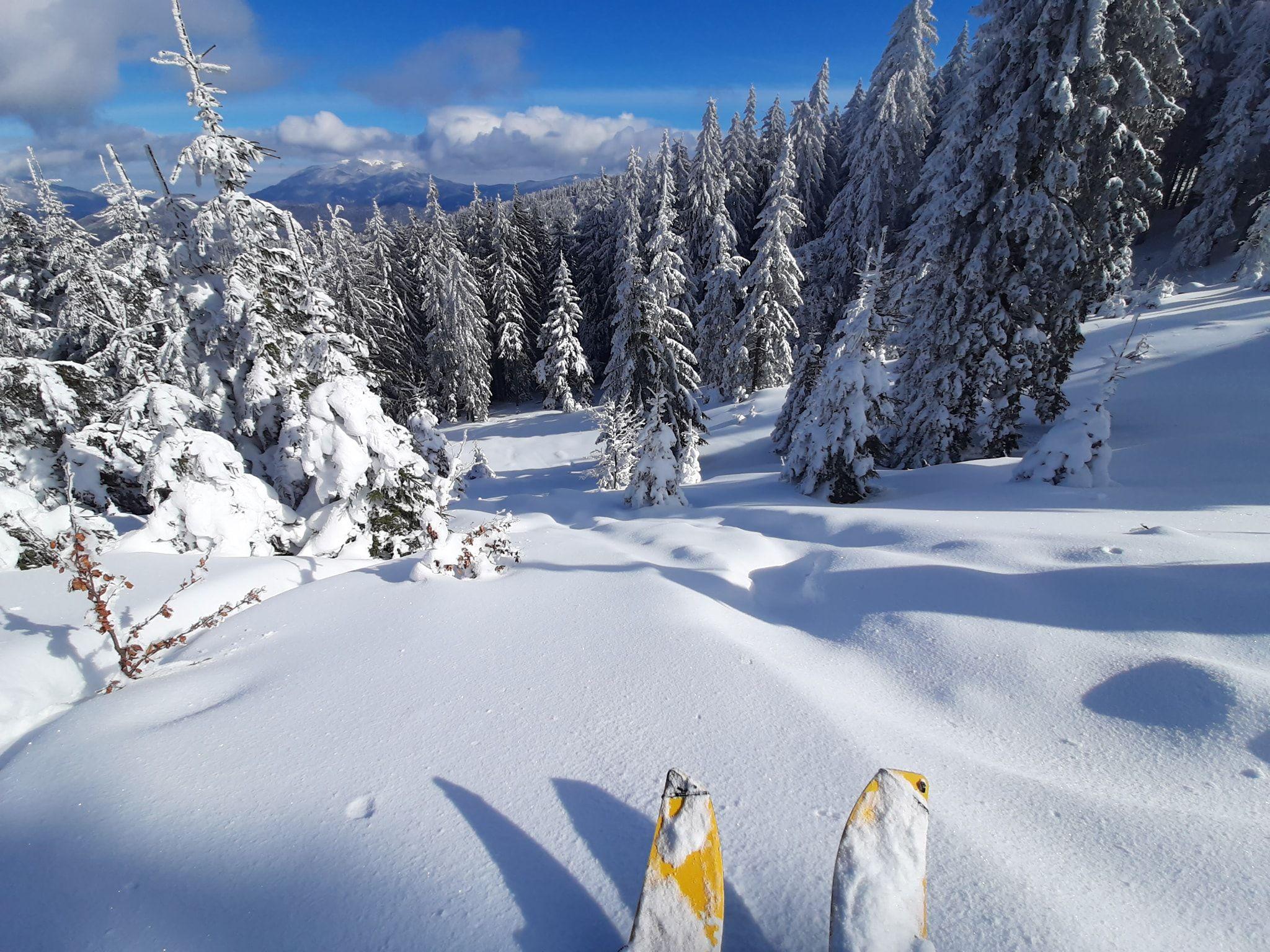
| January–March | Cheapest | Cheapest of the year. Skiing in Poiana Brasov, Sinaia. Most rural areas dormant. |
| April | Mid-range | Variable weather, lower prices, fewer tourists. A bit early for hiking and the Delta. |
Real-world price difference: a 3-star hotel in Brasov’s Old Town that costs €85/night in early August often drops to €55/night in late September. Same room, same hotel, but €30 difference per night. Over a 5-night stay, that’s €150 saved per couple just by shifting the trip a few weeks.
The flight angle: Bucharest, Cluj, Timisoara, Sibiu, and Iasi are all served by low-cost carriers (Wizz Air, Ryanair). Flights are dramatically cheaper if booked 6-8 weeks in advance and on weekdays. Flying mid-week can save €50-100 vs weekend departures.
How to optimise your Romania budget
If you’re willing to plan ahead and travel smartly, you can have a fantastic Romania trip for significantly less than the standard estimates. Here are the tactics that genuinely move the needle:
1. Compare flights to all 5 international airports
Don’t default to Bucharest. Cluj-Napoca, Timisoara, Sibiu, and Iasi all have international flights, often cheaper than Bucharest depending on your origin city. If you’re heading to Maramures or northern Transylvania, flying into Cluj saves you a full day of travel from Bucharest, and often costs less.
2. Book Wizz Air and Ryanair 6-8 weeks ahead
Both airlines have aggressive dynamic pricing. The same Bucharest-London route can cost €40 booked 2 months ahead and €180 booked 2 weeks ahead. Set fare alerts. Be flexible on dates.
3. Avoid the airport taxi scam
Use Bolt or the airport’s automated dispatch system. Random taxis at Bucharest airport can charge 3-5x the normal fare. This single tip can save €30-50 on arrival alone.
4. Stay 10 minutes outside city centers
In Bucharest: stay in Floreasca, Cotroceni, or Dorobanti instead of the Old Town. In Brasov: stay in Schei or near the train station instead of right on Council Square. In Cluj: stay in Mărăști or Gării instead of Union Square. You’ll pay 30-40% less and get a more local experience.
5. Eat the Meniul Zilei (set lunch)
Available at most local restaurants on weekdays. €5-9 for soup, main, and sometimes dessert. The food is usually traditional and fresh, and it’s how Romanians eat. Tourist-facing restaurants don’t advertise these.
6. Use BlaBlaCar for intercity travel
Bucharest ↔ Brasov by BlaBlaCar costs €8-12 and takes the same time as the train (often less). For Cluj ↔ Maramures, it’s the only practical option besides driving.
7. Buy the rovinieta online before driving
€6 vs. a €120+ fine. Buy at erovinieta.ro immediately after you pick up your rental car, if not included in your rental price. This is the #1 avoidable expense for self-driving tourists in Romania. Most car rental companies in Romania include the rovinieta in their rental price, but it is highly recommended to confirm this with them.
8. Always pay in RON, not EUR
When you pay by card, the terminal will sometimes ask if you want to pay in your home currency or in RON. Always choose RON. The “dynamic currency conversion” option adds 3-7% to your total because of bad exchange rates. Same applies at ATMs. Always decline the conversion offer.
9. Carry cash for rural areas
Cards work everywhere in cities. Outside cities, you’ll need cash for village guesthouses, farmers’ markets, small museums, and rural taxis. Withdraw RON from any major bank ATM (avoid Euronet ATMs, they have terrible rates and high fees). Keep €50-80 worth of RON cash on you when leaving urban areas.
10. Visit farmers’ markets for cheap, fresh, authentic food
Bucharest’s Obor Market, Cluj’s Piata Mihai Viteazu, Brasov’s Aurel Vlaicu market — you’ll get fresh produce, cheese, smoked meats, and street food at a fraction of restaurant prices. Lunch from a market stall costs €3-5.
11. Book guided tours directly with local operators
Booking through international platforms like Viator or GetYourGuide adds a 25-30% commission to the price. Local operators (us included) sell the same tours direct to travelers at the original price. If you find a tour you like on a global platform, search for the local operator and book directly, same experience, lower cost.
12. Claim VAT refunds (non-EU travelers only)
Non-EU tourists can claim back the 21% VAT on certain purchases over 175 RON in a single shop. Ask the retailer for a Tax Free form, then process it at customs at the airport before checking your luggage. Most travelers don’t bother for small purchases, but on bigger items (electronics, jewelry, designer goods) it’s worth doing.
13. Get a good eSIM (if you're non-EU)
If you don't have an EU-based phone carrier - so you benefit from super cheap roaming rates - then an eSIM is probably the best way to go. Lots of options on the market, here's a useful comparison of my two favorite providers Saily vs Holafly.
What’s NOT cheap in Romania
Honest section every other budget guide skips. There are things in Romania that cost as much as (or more than) in Western Europe. Knowing what these are saves you from sticker shock:
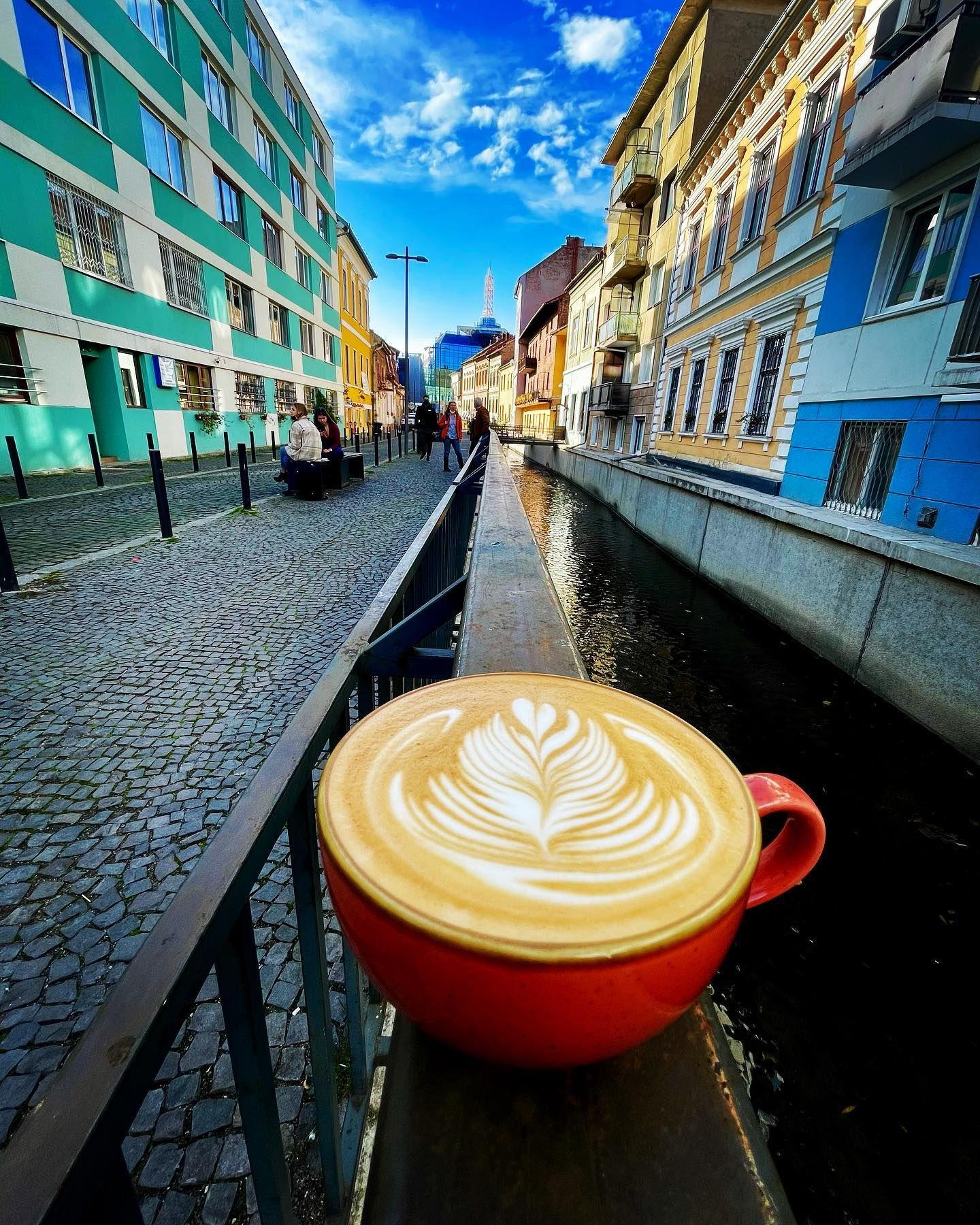
- Specialty coffee in hip cafes. Bucharest, Cluj, and Brasov all have third-wave coffee scenes. A flat white in a quality cafe costs €3-4, the same as Berlin or London.
- Imported wine and craft beer in Bucharest’s nightlife venues. An imported Belgian beer or Italian wine in a hip Old Town bar can run €8-12, not far from London prices.
- Tourist-trap restaurants in central squares. Restaurants on Brasov’s Council Square, Bucharest’s Lipscani, and Sibiu’s Large Square are 30-50% more expensive than identical-quality places 5 minutes away.
- High-end international hotels. The Marriott, InterContinental, and Hilton in Bucharest charge €180-300/night, the same as in any European capital.
- Wildlife and certified mountain guides. These cost €100-300 per day, similar to or higher than Western Europe. The expertise is rare and worth the premium for safety.
- Branded electronics and cosmetics. Apple products, designer perfumes, premium cosmetics, branded sneakers, often more expensive than in Germany or France due to import margins. If you need new headphones, buy them at home.
- Fancy gym memberships and wellness. Premium gyms, spa days, and yoga studios in Bucharest are priced for the local middle class, surprisingly close to Western European rates.
- Bucharest taxis if you don’t use Bolt. Already mentioned, but worth repeating. Without Bolt, taxi costs in Bucharest can spiral fast.
None of this should put you off. Romania remains genuinely affordable across most categories that matter to a traveler. But knowing where prices have caught up helps you make smart decisions about where to spend and where to save.
The smart way to travel: The hybrid approach
After a decade of organising trips for international travelers, we’ve noticed something. The visitors who come back saying “that was the best trip we’ve ever had” rarely book either a fully self-guided trip OR a fully guided multi-day tour. They do something in between.
They book their own hotels in 2-3 cities. They explore those cities at their own pace. They eat where they want, when they want. They have the flexibility a self-guided trip gives.
But they also book selective guided day trips from each city, typically 1-3 across the whole trip, for the experiences that genuinely benefit from a local expert. Things like:
- Bear watching near Brasov (needs a wildlife guide and licensed access to observation hides)
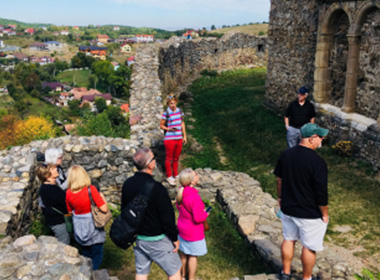
- Saxon villages from Sibiu (no public transport, the stories are what bring them alive)
- Transfagarasan road tour (driving it yourself means you can’t enjoy the scenery)
- Maramures cultural tour (rural villages need a local to introduce you properly)
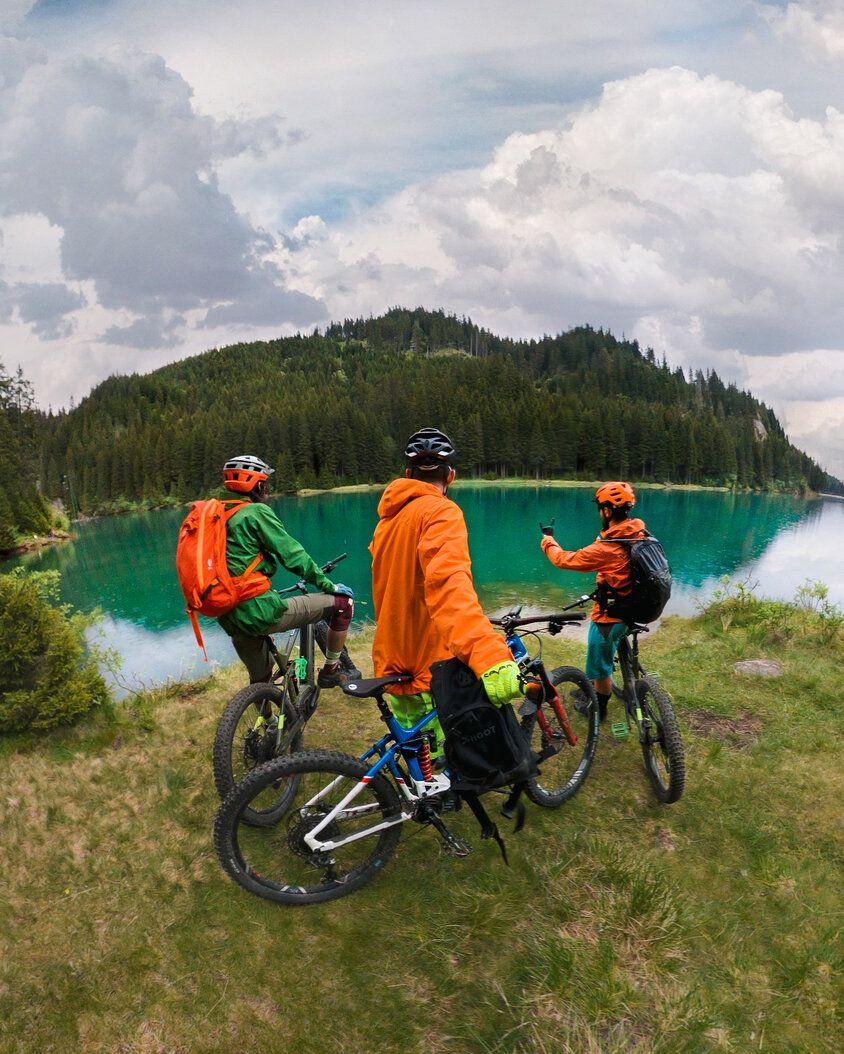
- Hiking in the Carpathians (bear country, a guide is a safety necessity)
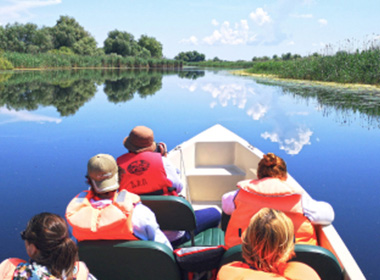
- Danube Delta boat tours (you can’t navigate the channels without a local boatman)
This hybrid approach typically costs 30-50% less than a fully guided multi-day tour, while still giving you the best of both worlds: independent travel where it adds to your experience, and expert local guides where they’re truly needed.
It’s also how almost every booking we receive is structured. People come to us looking for help with the guided pieces, and they handle the rest themselves. We’re happy to help that way, it’s often the right approach.
If you want help building a trip like this, within whatever budget you have, send us your dates and interests and we’ll suggest the right guided experiences to add to your independent itinerary.
***
Romania can be done on €40 a day or €400 a day, and both versions can be amazing. The country rewards travelers who plan smartly, mix cities with countryside, and book the right experiences for the right price. The biggest mistakes we see are booking everything through global platforms (which add 25-30% commissions), staying in overpriced central hotels, and skipping the rural areas where Romania is at its absolute best and cheapest.
If you want help building a trip that gets you the most out of your budget, whether that means choosing the right cities to base in, picking the right guided day trips to add, or finding accommodation that’s good value for your travel style, we can help. We’ve been doing this for 10,000+ travelers since 2017.
Your Romanian Friend,
Marius